Skip to the page
Request Your Free ConsultationHome

Patient story · Traveling

'A tech told me, when the doctor was out of earshot: this won't last.'

Justin · Traveled to Florida · Within the first year

Hear it on the podcast

Justin, a soccer coach, was warned by a tech at another practice that his old fillings would not last.

Before

Justin's teeth didn't fail the way you might expect.

"Teeth like mine, you know, which are like half of them were broken at like the gum line."

The trouble was old fillings along the gum line. He had been warned, though not by his dentist.

"I remember a tech one time telling me, when the doctor was out of earshot: this won't last. Just so you know."

The warning was right. The fillings were failing from behind, with decay running underneath them and into the nerve in places.

It was easy to ignore because it didn't hurt.

"A tooth would break and there wasn't any pain. You would think if a tooth broke off at the gum line you'd feel it - but I guess the nerve was already dead."

So he did what most people do.

"A few months would go by, nothing would happen. And I would just sort of, easy to live in denial for a while."

Deciding
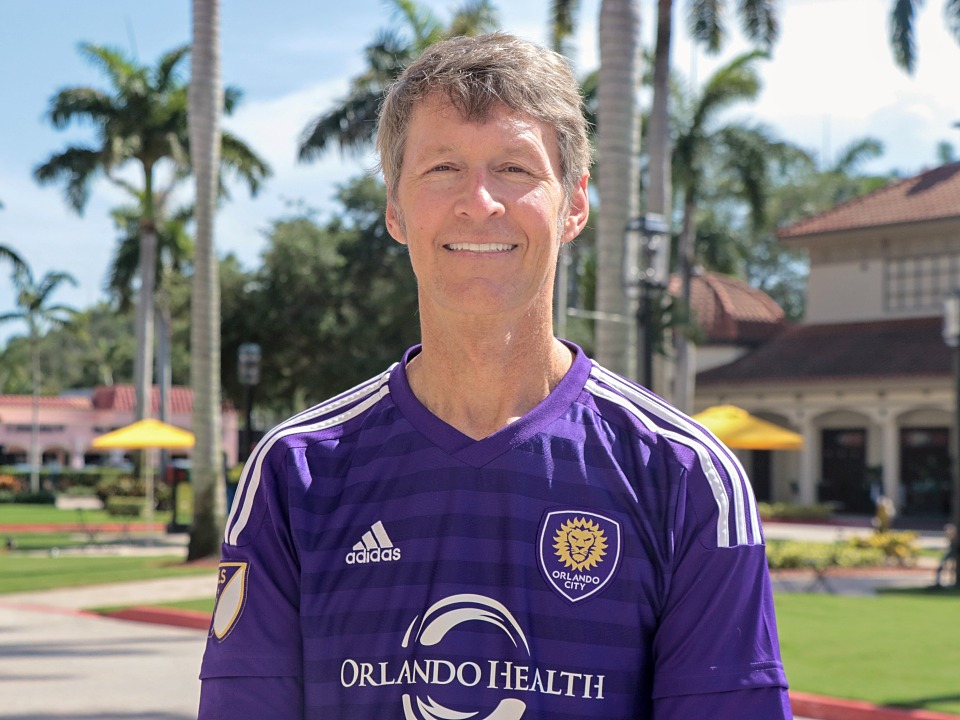
Justin

He did his research, and in the end it was a person who convinced him.

"I was looking for some people that would - and everybody says this - but I got talking to [another patient] a lot in particular."

For him, that mattered more than anything else he read. You have to trust the person working in your mouth, and only people who've been through it can tell you what it's like.

The week

He was more worried about the first night without teeth than the surgery. It turned out to bother him least.

"I see now, going through the process - I don't see how you could that first night. You have to be able to manage the bleeding and have the gauze there and let the gums do whatever they're going to do."

He woke the next morning swollen and assumed it would delay everything.

"I thought, gosh, they're probably gonna send me back home and say - we can't put the teeth in yet. You have too much swelling."

We didn't. His teeth went in, and he stopped noticing the swelling.

"Once they went in, that was the end of that feeling like the gums were swollen. And that was the end of any bleeding."

He went into sedation curious, not frightened, and never felt a thing.

"Like I was really trying to figure out, like, when are they done with that tooth and moving on to another tooth? When am I going to feel like a little sense of pressure? When am I going to feel a release as a tooth comes out? I never did."

How much time it took
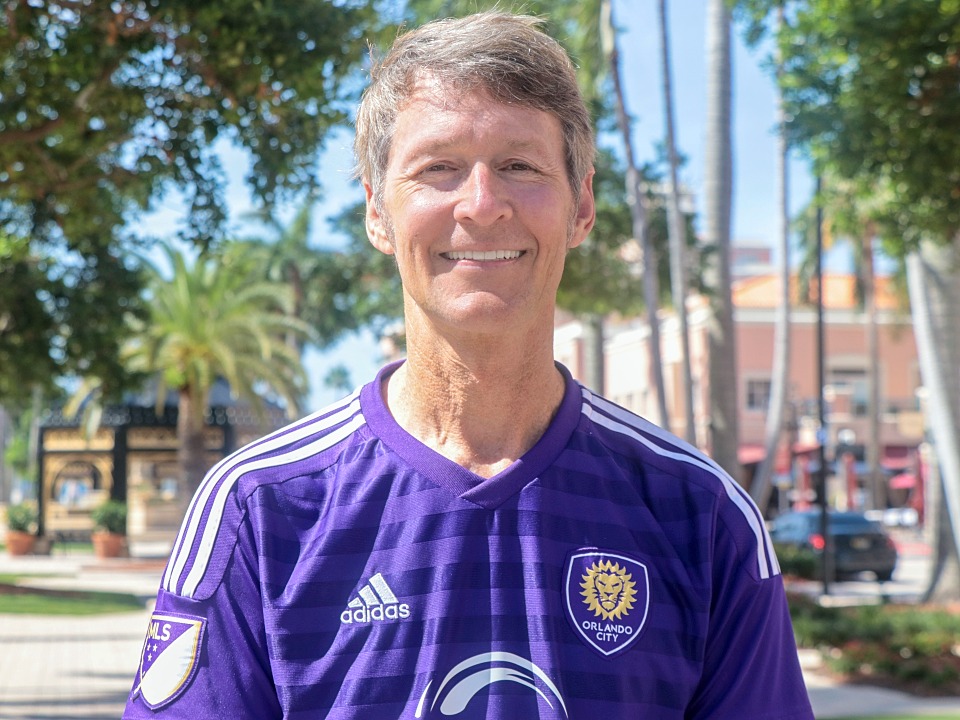
Justin

Justin added it up while he was still in the chair.

Surgery day was about two hours. The following morning was an hour, with a further half hour that same afternoon. The next morning was around forty minutes. The final fit added roughly another hour.

That's about five and a half hours, spread across a week, for a full mouth.

"The human mind is capable of imagining any scenario as so much worse than it turns out to be."

Since

Justin told his story during the week itself. Most of the stories here come one to four years later, so his gives you a view from the middle of it.

Outcomes vary. The time Justin's case took was right for his case. Yours will depend on your own scan and circumstances.

This page was built from the recording of Ep. 21. The quotations are edited to read on the page: filler words taken out, repeated words dropped, a dash for a hesitation or for words left out. Nothing added, nothing reordered, nothing put in the speaker's mouth.

Start with a free conversation.

CallFree Consultation

Full Disclosure

Done In One Implant Centers are independently owned and operated within a network of dental practices managed by licensed dentists. The American Dental Association does not recognize any specialty field specifically for dental implant treatment. Done In One providers are proficient in both implant placement and restorative dentistry and may consist of general dentists, prosthodontists, oral surgeons, and periodontists. The Done In One procedure refers to a procedure consisting of extractions (if needed), bone reduction, implant placement, and a permanent (zirconia) implant-supported prosthesis placed on either arch (upper or lower) or both. Done In One specializes in the immediate occlusal-loading protocol, which is defined as an implant-supported restoration in occlusal contact within two (2) weeks of the implant insertion. The Done In One procedure can be offered to qualified patients based on a full examination, radiographs, and initial workup. Not all patients will qualify. In most cases, qualified patients that do not need additional sinus augmentation can have the Done In One procedure completed and typically receive a final zirconia prosthesis within one week after extractions. Patients will receive a provisional prosthesis within 24 hours after surgery that will allow them functionality until their final zirconia prosthesis is fabricated. Results and timeframes of the delivery of a final prosthesis will vary on a case-by-case basis. Done In One exclusively utilizes an implant system that is appropriately registered, listed, and has a 510(k) clearance from the FDA. After many years of clinical studies and evaluations, the success rate of modern dental implants installed by qualified clinicians has been estimated at over 90% after 10 years. With proper hygiene and routine maintenance, the Done In One procedure can provide patients with dental implants that can last decades and potentially a lifetime. The average lifespan of the prostheses will vary depending on patient wear but is covered under a standard warranty for the first two (2) years from the date of surgery, as long as annual recare requirements are met. An optional extended, indefinite warranty is available and can be paid monthly or annually.

Studies show that patients treated with implant-supported prostheses judge their overall psychological health as improved by 80%—due to increased longevity, improved function, and increased bone preservation—over the wearing of traditional dentures. Studies also conclude that the replacement of decaying teeth that are prone to infection with an implant-supported prosthesis will typically result in the improvement of a patient’s overall physical health. Results may vary.

Financing
Loans are subject to eligibility, underwriting, and approval, including credit approval. Eligibility is determined through a pre-qualification application (“soft pull”) with no impact to the applicant’s credit score; not all individuals will qualify. Only upon accepting an offer and agreeing to the credit authorization disclosure will a hard inquiry (“hard pull”) be initiated and a FICO score potentially be affected.

Loan amounts range from $750 to $40,000, depending on creditworthiness, and require no down payment. The offered APR will vary between 3.99% and 35.99% based upon creditworthiness, loan amounts, and term length. Approved borrowers can choose between a longer Installment Loan (12-144 months) or a shorter Interest Promotion (6-12 months), with no interest paid if the loan is settled within the chosen promotional window.

DIO Management Group, LLC, is a registered seller of travel as required by Chapter 559, Florida Statutes. Ref. No. ST45536

For more information about financing or travel options, contact a Done In One representative.

Accessibility Statement
Last updated: October 2, 2026

Done In One wants everyone to be able to use our website and landing pages, including people with disabilities. We’re working toward the Web Content Accessibility Guidelines (WCAG) 2.1, Level AA, published by the World Wide Web Consortium (W3C).

What we’re doing


Known limitations

Some older pages and third-party content, such as embedded videos and forms, may not be fully accessible yet. We’re working on it.

Need help?
If you have trouble using any part of our site, or need information in a different format, contact us and we’ll help:

We aim to respond within two business days.