
The conversation
▶The best moments are marked. Tap one to hear it.
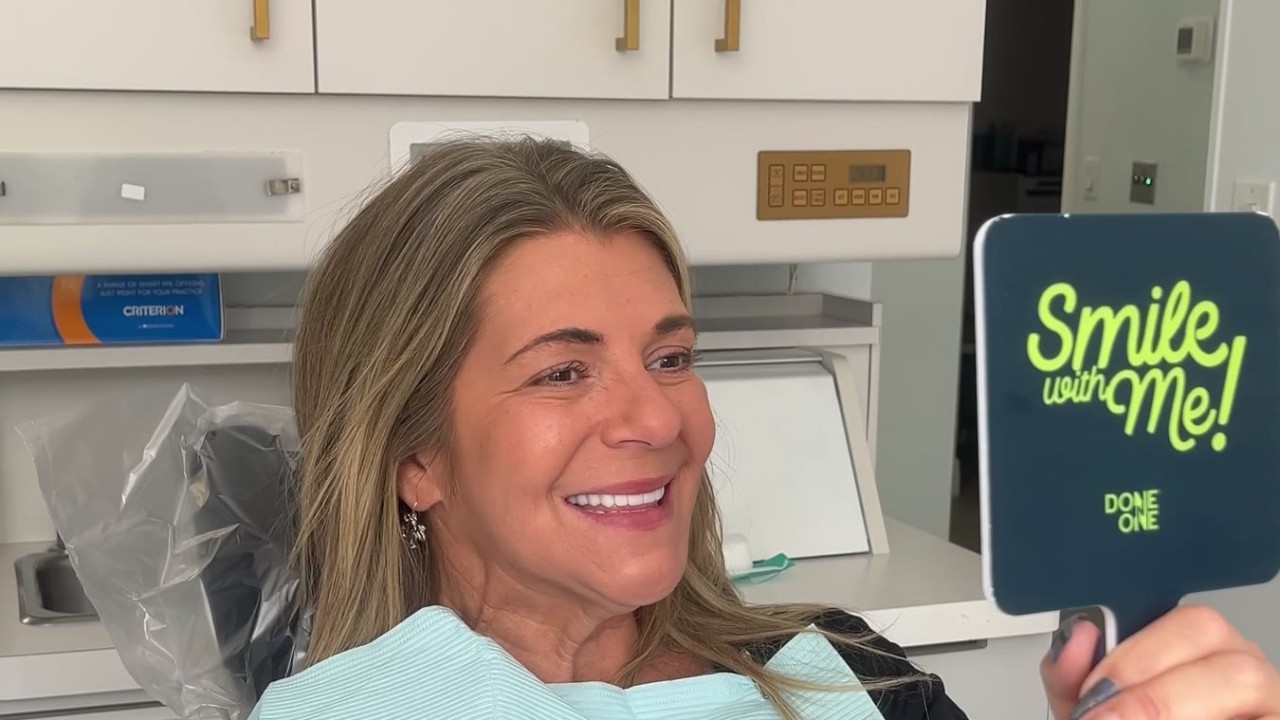
Host Dr. Daniel Noorthoek sits down with Justin, a Done In One® patient and goalkeeper coach at North Carolina Wesleyan University, for a candid, feel-good story of reinvention—on and off the field. Justin shares his Florida roots (Merritt Island), college days at Radford University, a journeyman pro stint with the Orlando Lions and Boreham Wood FC, and unforgettable matches in Scotland (hello, penalty-save heroics at Dunfermline).
Read Justin’s story'A tech told me, when the doctor was out of earshot: this won't last.'Host Dr. Daniel Noorthoek sits down with Justin, a Done In One® patient and goalkeeper coach at North Carolina Wesleyan University, for a candid, feel-good story of reinvention—on and off the field. Justin shares his Florida roots (Merritt Island), college days at Radford University, a journeyman pro stint with the Orlando Lions and Boreham Wood FC, and unforgettable matches in Scotland (hello, penalty-save heroics at Dunfermline).
Key moments
Part 10:00
This is Podpopuli, podcast for the people. Hello and welcome to another episode of Beyond the Arches. I'm your host, Dr. Daniel Noorthoek. Today we have a special guest, a patient of ours, Justin. Hello, Justin. Welcome. Hi, Dr. Dan. Thanks for having me. Thanks for coming on. So tell us, let's just jump in right away. We're going to feature kind of just your life, you as a patient, where you came from, how you got here, all of that stuff.
So why don't we start with just, why don't you give us your background? I know you're a coach for soccer, et cetera, but why don't you kind of dig into that a little bit? Sure. Well, it's nice to be back in Florida. I grew up here a couple hours up the coast in Merritt Island area. Both my parents were space center people. Went to high school at Merritt Island High School, played college soccer at Bradford University in Virginia. Had a little bit of a pro career, not the most successful.
Virginia. Is Bradford University. Radford. Oh, Radford. Yeah. Southwest Virginia. So right next to Virginia Tech. Okay. Yeah. Right across the New River. High Row and Oak and in that kind of corner. Yeah, exactly. We used to, not to interrupt, I'm sorry. And I promise this is your show, not mine. We used to do a, I went to VCU for a year of my residency. Oh, cool. And in that year, I went on two missions trips to Wise County, Virginia, where we just went there and took teeth out all day.
Okay. So I've been in that area quite a few times. Yeah. I would imagine that part of rural Southwest Virginia, particularly back when I was there, that there's a big gap in like dental coverage. Big needs. Yeah. For sure. Yeah. So you ended up there, how, sorry? Soccer scholarship. Yep. And I did so well academically there that after three years, they told me to leave because I failed out. And it's okay. I'll jump ahead to say I have a master's degree now from NYU.
Everything's okay. You made up for it. I wasn't ready to be a student back then. I was a soccer player. So I had a little bit of a pro career. I played for a team a few hours up the road from here called the Orlando Lions, who are now Orlando City of Major League Soccer. This was before that league existed. Okay. And then I played in England for a team called Boreham Wood FC. Very cool. Yeah. And anyone that watches the Welcome to Wrexham reality TV show, probably know Boreham Wood because there's a few times that those two teams play.
And more of like, like a Ted Lasso level of education. Yeah, yeah. Tell me what it was like to live in Europe playing a professional sport. Was it pretty neat? Was it overwhelming, exhausting? What was that like? It was all three of those things. It really was. It was a dream of mine. Growing up early, I was sort of infatuated with the idea of playing in England. And it wasn't a thing that Americans did back then. And I was only able to do it from one connection with the Orlando Lions.
Yeah, yeah. And I had my director set me up with the manager at Boreham Wood FC. And they said, sure, fly over. We'll find a place for you to live and we'll see how good you are. The day I arrived, I called them to let them know I had my plane had landed and they said, good, we'll come pick you up for training. Wow. So I got off an international seven hour flight from New York City and went and did a training session. But had a great, great time there. It's, it's definitely a job. It's not, you know, having fun with your friends and kicking a ball around. It's extremely serious that Your teammates are paying their mortgage based on whether you win or lose.
Everyone's on a win bonus. At that level of the game, the salaries aren't super huge, and this was the late 80s, so you can imagine. But it's still one of the best things I ever did in terms of my development, not only as a soccer player and then eventually a coach, but as a person to sort of uproot yourself and go live in a different country, albeit a very similar one. We're not that different. Yeah, it is very similar.
We share, obviously, the language, but also a relatively similar lifestyle. I was lucky, I think, where I lived. I lived just outside of London, so I was able to go into London a lot and just sort of wander around. It's a great thing to be able to do when you don't have a ton of spending money. There's a million things to do for free in a megacity like that. There's museums you can wander in and out of and bookstores and parks and eat some cheap street food.
Really, it was a— It was a mostly good time. Largely plagued, though, with the stress of trying to make it as a professional. The level of competition is through the roof. I kept a journal back then, which I eventually turned into a book, and that journal is just sort of like a record of my anxieties day on day, about how I was doing, how I'm fitting in, what my level is like, are they going to sign me permanently, will I get a work permit, et cetera.
Wow. It was a lot. What was— What's a part of that lifestyle that would be surprising to most to learn? I think probably how encompassing it is, how you don't just like— I would meet people sometime who would inquire about the daily schedule, and it might be just that we trained from 9 to 11 in the morning, and that's it. And they would think, oh, and then you go play golf or you go relax or whatever. No, you pretty much take care of your body all day long.
You're thinking about, well, we trained two days in a row. Today was kind of heavy. Now we have a game tomorrow night. I shouldn't. It's a nice day, and it's not always that nice there, you know, but it's a nice day. But maybe I shouldn't go to Hyde Park. Maybe I should stay inside and rest. Maybe I should try to get a nap in the afternoon. Maybe I should go get a massage or stretch. I got to get a lift in.
And then you play the game. You think about the game obsessively leading up to it. It just basically devours your life. It does. You think about the game leading up to it obsessively and the opponent, and then you're up half the night. You're thinking about how it went. That was when I would do my writing. I'd write in my journal. I kept a complete journal of how every game went. And for me, it probably contributed to me burning out a little bit early.
I played my last game at 28. When you were living, when you were journaling and such, when you were playing, did you live with another player? Did you live with anyone else, or were you on your own? Not quite on my own. I rented a room in a house from a local family. Nothing to do with another soccer, so you didn't have that sort of... The team had the connection. They set it up, and so I rented...
It was actually a really nice top floor of a house in a really nice neighborhood. And only two different times did the house get broken into when I was there. Only twice. One time they came into my bedroom in the middle of the night. Wow, that's wild. Luckily, it was a couple of young kids thinking that no one was there. And when I realized what was going on, I just sort of yelled. They ran out. I think they were scared.
They were as scared as I was. That's incredible. Yeah. I'm glad you're okay. Thank you. Was soccer your only sport when you were growing up? Was it the only thing that you could think of? Was it the only thing that you did? Or were you also involved in baseball and swimming? Started with football. Okay. But I wanted to be a wide receiver. And if you know anything about peewee football, nobody throws. Right. So I'm like 10 years old, 11 years old, and I'm running out.
Nobody throws because they can't. They can't throw. And I'm running these out patterns and hitching goes and things like that. And like, it's a run play. And my job was just to drag a defensive player away. Yeah. And it was really frustrating. And then I saw friends of mine playing soccer and I realized, well, the goalkeeper gets to catch the ball. You know, that's his actual job. You stand in the goal and they shoot and you try to make the save.
And so I got drawn to that position for that reason. Is that what position you played? That's it. Yeah, I was a goalkeeper. Wow. Goalie was always, I played a little bit of soccer when I was a kid. And goalie was probably the hardest for me to understand how you could play that because it seemed like so big at the time. I guess I was probably 13 or 14. Just seemed too big of a task with too many lulls in between.
And what's funny is I played catcher my whole life. My entire life was, my whole life revolved around baseball and catching until I was up till college. And you would think like, oh, well, the guy loves to catch things. So he'd love to be goalie. Well, you're right though, because a catcher is involved every pitch. Every play. Every pitch. And you're calling the game, you know, and every, so goalkeeping is, I kind of equate goalkeeping to sailing because sailing is, for anyone that's ever had a sailboat, a good sailing replicator would be to stand in a freezing cold shower, tearing up a hundred dollar bills, and then have someone come along.
It'd scare you every now and then. And goalkeeping is sort of like, there's long periods where you say you're really not involved in the game, but you're aware that you could be catastrophically involved at any moment. You know, you could make a terrible decision and misplay a ball and cost your team the game. And that did happen over, you know, X year career. I had a couple of days like that and that's not fun. No. At all.
No. What's, give us a top memory from that period of time, either, college or playing pro. Sure. I have, I have one I always go to.
Part 29:29
When I played for the Orlando Lions, we did a preseason tour of Scotland, the summer of 1988. And so it was to get ready for our season, but the season in Europe had already begun. So we played these games. They were just exhibition games, but it was, the teams made a big deal out of it because it was very rare for an American side to come over. So we played Glasgow Celtic, who are very big, very famous club in Scotland, won the European cup in 1967.
We played St. Marin, a smaller team also in Glasgow. That's where I played my first game. I didn't play the Celtic game, but I played against St. Marin, played really well. Next we played Aberdeen, also another big team, played well against them. And then the final game was this team done from an athletic, done from an athletic. We're in the second tier, the second division of the Scottish league at the time. This is over a period of how many days?
About three weeks. Okay. Yeah. And because they were the smaller of the teams, they made a bigger deal out of the fact that this American team was coming to play them. So they, I wouldn't say they packed the stadium because it probably held, you know, 28, 30,000 or so, but it was mostly full. And I started that game and the, the, what they call terracing behind the goal that I was in, there's no seats. The fans just stand and they are absolutely masked in there and they're singing the whole time.
And for a kid who grew up in the, you know, in the seventies in Florida, dreaming of that kind of thing, that kind of atmosphere, which doesn't exist in this country. And it sort of does now, but it certainly didn't. Then that actually happened. It was unbelievable, but it got even better because I was splitting halves with another goalkeeper who just happened to be my boyhood hero, a guy named Winston Dubose who played for the Tampa Bay Rowdies.
It was about 10 years older than me. And I played the first half of that game. Winston played the second half, the game ended two, two, and they decided they wanted a winner. So they were going to have a penalty kick shootout back at the end. I had played in, in the first half and Winston being this, you know, you know, a supremely professional gentleman approached me and the manager and said, Justin started the game. He should get to go back in for the penalties.
So I was amazed by that. And we, me and the other, the Dunfermline goalkeeper went jogging down to that goal. And I gave the fans a, you know, bit of an overhead clap as you do usually to your own supporters thinking they might like give me their ass back or whatever, but they all returned it. That whole bank of, that's cool. Thousands of people just, just clap back like that. And then, and then I saved the first two penalty kicks and we won.
That's, that's a great memory. It was a good memory. Absolutely. Yeah. How did that then turn into coaching and the rest of your career? But how, what was that transition? What, what did you do for that transition? Well, the problem I had that trip confirmed to me that I was good enough to do it. I would have been found out playing against teams at that level if I wasn't good enough to do it. And so it, it confirmed to me that I could do it.
However, unfortunately I could not get a European work permit. It was very, very restrictive back then. I think it's loosened up somewhat now, but if you didn't have, if you hadn't played full games for the U S national team, which I had not, you really couldn't get a work permit in order to play in those countries. And so it didn't really go anywhere. So I went back to Bormwood, which was in England and a lower level. And now you're talking about playing in front of a few hundred people for 50,000, $50 a week.
You know, so sort of like single a ball at best rookie league ball, maybe, you know? Yeah. And I still enjoyed it. It was still a good level,
Part 313:02
but I realized that it was somewhat unsustainable. I got to be about 26, 27, didn't have a college degree. And, and I had to start thinking a little bit more longterm. So a friend of mine had gotten a head coaching job at a university in North Carolina at Elon university. He said, Hey, listen, if you come here as my assistant coach, we'll pay for your degree. You can finish your degree and coach and, and, you know, get a degree free and clear with no debt.
And so that's what I did. Wow. Yeah. And was coaching something you had really ever thought about before that? You know, I know you said that you proved to yourself you could do it and that that was part of it, but what was it about coaching that kind of drew you to that life? Particularly goalkeeper coaching, because it, it didn't exist when I was a kid. So I had to figure it out on myself by myself. I watched, like I mentioned, Winston DuBose.
I watched him playing for the Tampa Bay Rowdies on old channel, WTOG channel 44 out of Tampa. And, and that's sort of how, sort of how I figured out how to play. I didn't have any mentors. There was no one with any experience. No one had ever played at a high level. Winston's generation was the first generation of American pros. And so I kind of realized, I don't want anyone else to go through that. You know, I want, I want to help because when I was in England, I had unbelievable coaching, you know, I was at the pro level at Dunfermline and at Bournemouth.
I had, I had, I had mentors as older goalkeepers and, and coaches that really helped me understand the position. Just like I would equate it to catching and the footwork that's needed to get up to try to make a throw at a second base. Yeah, it has to be learned, you know, and there's a million things like that with goalkeeping. And I realized, well, I have some of this in my head, information. It would be kind of a shame if I just sort of, you know, took a job in accounting and it died with me.
I'd like to sort of share it. So that's fantastic. Yeah. So when you, when you were making that transition, did you have to kind of learn your teaching style and all that? Cause it, you know, you hadn't been teaching before. Did you, did you have to develop your style at that point? And that that's what the majority of the work was at that time. Yeah. I think the big learning curve for me, is that one size does not fit all.
So some athletes, and I would imagine academically, some students like to be taught and are effective learners in one way and others in another way. So some are visual learners. Some want to be sort of really sternly encouraged, if not yell that others needs a more general approach. And it just took a little time for me to find out the most effective way to, to learn what was going to work the best for each individual athlete. And, and really that was getting to know them a little bit on a personal basis.
My default was to sort of be standoffish and official and professional and business-like. And, and then I, I learned like particularly with college age kids,
Part 416:04
they have to kind of know that you care about them and their success as a person first. Sure. Before they will really invest their attention in you. So that was my learning curve. Yeah. The, the audiences, your, your, your message, I'm sure as you were just discussing similar to me in that, if you're teaching or training somebody on anything. So if I do a console with a person, my message is always changing depending on who the person is, not, not the message, the way I delivery, the delivery is, is always different.
So if you started to come in and ask me specific scientific questions, very like nitty gritty, I'm going to cater my, statements and my discussion in a console to you versus, you know, I have other patients that I'm just trying to keep their attention. So I'll just try to be more entertaining or, you know, so I understand that you, you it's, it's interesting how humans work, how you have to just cater it. If you're in any sort of training position, you, you have the knowledge and you want somebody else to know it, that that message always has to go through a filter and it's constantly getting, getting tweaked and changed.
Sure. Pretty fascinating. So you started first coaching job was at Elon. And then walk me through how you got to this last job. Let's see. So I did about seven or eight years at Elon. Then I got an itch to do. I've been writing that whole time. I'm a writer. I mentioned that I journaled when I was in England and that sort of sparked something in me that, that demonstrated that I had an interest in writing and I got more serious about it.
And I started turning those journals into a nonfiction book about the soccer career. And then I began to write fiction. I started sending short stories out to magazines and getting published. And I decided I wanted to do an MFA in creative writing so that I could potentially teach writing one day. Because the one thing about coaching soccer, particularly coaching goalkeepers is a little bit hard on the body. And it's something I wasn't sure I wanted to do until I was 60 years old.
Well, here we are doing it. But, but so I went to NYU because if you're going to get a graduate degree, you might as well get the maximum amount of debt that exists in the world. And that's, that's NYU. Had an amazing experience there. Absolutely loved New York City. Lived there for seven years. Probably would have stayed if the rent was, you know, doable. But that was my sort of break away from, from a little bit of time away from coaching.
But I missed it and I played again. I was getting into my forties then, and I joined a team in the Gotham League and played, had real fun. I mean, that was great, great fun because now I'm not burdened with the expectations of, you know, using it to make a living and, and worried about my teammates making their living and all that kind of thing. Just had fun, really enjoyed it. During that time, a good friend of mine got the head coach job at an ACC school and said, you know, how'd you like to come here and be the goalkeeper coach here?
And I gave that a little bit of thought and, and based on how the rent situation was New York city compared to Raleigh. Absolutely. I thought, yeah, this is the thing to do. And, and I'll tell you something, the New York, probably a few more like open spaces to play in places to play as well. For sure. And better for the golf game, you know? Sure. But I will, and maybe this is a good transition, but between Elon and New York city is when the teeth things started to go.
Not so great for me because I was living on, uh, a small college coaching salary. And then I was living on a graduate student salary and I had sort of like dental work from the eighties when I was a high school kid that started to fail. And you would know a lot more about this than I would, but it seems to me based on the technologies that you guys have now, I know didn't exist back then.
Part 520:07
So there must have been some degree of hunting that they were doing in there and, and, and like trying to find DK, DK and trying to get the right spots and all that. And there is a level of technology that goes into say like a root canal, Peru canal 40 years ago, doesn't even look the same as it. Well, it does look the same, but in terms of the procedure and the, the ability to get the bad stuff out, it's doesn't even make sense compared to even when I was in school.
Right? So it has advanced. I would say the biggest advancement is more, is less about, the traditional, like taking out cavities and things like that. It's all done sort of the same way, but the materials have changed. Oh, so things are a little bit long, more long lasting. We've lost some of the accuracy in terms of almost like the hand skills that go into getting a good impression, a good representation back in the day was, was incredible.
The work was a lot, we'll say better fitting now. It's the accuracy is there and, and you have to have the right digital equipment to extract that information properly. It's a little bit less about the tech, the hand skills of the, of the person doing it and more about the tech. That's sort of going into cutting the crown or shaping the stuff. Yeah. Well, we probably a combination then of a couple of things, but so some things started going bad.
Probably 10 years ago or so, I had a root canal. I had done sometime in the early nineties or mid nineties, just sort of crumbled away to nothing. I don't remember what I was eating, but just boom, broke. Now I have no tooth there, no pain because it was a root canal. So there was no, no nerve, but and then I, you know, tried to keep up and I, I did these patch jobs and I got a three tooth bridge that you may remember cause you just, I took it out.
I do remember. Yeah, it was fastened in there. Pretty good. Oh, good. Well, he just, he did a good job then, but there was no shortage on glue that day. No shortage on glue. All right. Because I was sort of itinerant, you know, too, because I, I moved around in between some of these gigs. I mean, I make it sound like all these years at Elon, all these years in New York city, but I went and lived in Key West for a couple of years, which is awesome.
Incredible time. Great place. Highly recommend to anyone. Did you have so much bad weather built up in your European days that you just had to get so many days built back up in a row of good, good weather. Can I tell you a funny story? When I came home from England, the first time my mom picked me up at the airport and she said, go to the beach. She said, and she used these words. She said, you look jaundiced.
I was pale and bags under my eyes. Yeah. You were outside every day playing soccer, but in 42 degree gray drizzly weather. Oh wow. She said, go to the beach. Yeah. So it was, there was actually, that was, that was a big, uh, motivating factor to go down there. I grew up in Florida. I'd never been down to the keys. Yeah. And never actually never been down there. And I just decided I need to go all the way down and really detox for the, you know, the stress of, of playing that position.
And how long were you down there?
Part 623:32
I was down there three different times for a year each time. Wow. The problem I had down there is making a living. It's, you have to just sort of work a service industry job. It's sort of tough to go from professional athletes. to bellboy at a mere resort hotel um which is what i did i finally found the perfect job the last time i was there i worked at the key west aquarium uh given given tours and feeding all the animals and hand feeding turtles and things and that that was i think i was 39 then and i think that was a great way to spend the last year of my 30s what a place that is amazing yeah yeah yeah i clearly you miss it that'd be a dumb question i'd do that again yeah um okay so now uh you live in north carolina and um i know that you recently have kind of gotten into different hobbies tell me about your hobbies and how you fell into those not fell how did you find those or or pick those as your hobbies i i kind of so covid when covid shut us down i was at state school at the acc school and i was at the state school and i was at the state school and i was at the state school and we got shut down and i had all this time and i have this little project car toyota mr2 and i never liked the finish on it and i just thought it always thought i bet i could paint a car um i bet i could just do that like it's really small how hard can it be very very hard but um i had time i wouldn't even try it i watched lots of youtube videos tons and i painted it and it came out amazing and that was five years ago and it looks great to this day and so then i had friends who would get like a ding-dong and i would get like a ding-dong and i would get like a ding-dong and i would get like a ding-dong and i would get like a ding-dong and i would get like a fender and i'd say let's go to a junkyard and get another fender and i'll paint it and so you know they would do that and i would paint it and then my wife worked at a physical therapy clinic and there was an older patient there who didn't really have any family in the area and she had the front of her car sort of caved in and we wanted to help out and so um i went to a junkyard and bought a fender and a hood and painted it and put it on there and wow um and i really enjoyed doing that because it's funny as you start getting older um it's there's a there's a there's a really neat thing about taking something old and making it new again um that that feels really satisfying and you can almost internalize it make it personal like when i work on my mr2 which is a 93 i replaced like the steering rack and i was like wow this thing's in terrible shape makes sense it's 33 years old and then i think jeez i'm 58 um so um you know now i met a guy and i'm he's got a a lotus europa with the worst paint job you've ever seen just all gouged up and does he have a story on this paint job yeah the the um you know for people who don't know lotus is a small specialty high-end car maker in england but in the 60s and 70s they made much more inexpensive almost kit cars the europa was one of those fiberglass bodied and they went through a period where they weren't very valuable and you could pick one up for a couple thousand dollars and then people would butcher them and so somebody took it to mako and i'm not here to slander mako actually know how to spray paint a car but they will not do any prep work on it so if you bring a car in that has like you drive through a puddle on the way there and there's mud on the car they'll just paint right over that mud wow and that's what this car looks like and so when i get back to you know after after we're all done here and i'm back in north carolina i'm gonna spend a couple of weeks stripping that down and and giving it the the life it deserves is it do you do you fully nerd out on equipment and things like do you have a space to now do you have a space to type projects do you have like a barn or like a storage unit or i don't have the space i'd like to have i do have a big covered patio that you know we're lucky and we live on a lake and it faces the lake and it's a really nice place to work and it's a great headspace for me a lot of people don't like working on cars doing body work because it's so repetitive i mean you have to sand i'll sand the car down seven or eight different times wow but i find that therapeutic um and i like being able to see progress when i do this kind of manual work and i like being able to see labor because it doesn't really require any of the higher functions of my brain i'm not sure how much capacity of that i have anyway so it's it's nice to just you know be able to rely on the real basic stuff in the limited time that i have gotten to know you i can tell you you have plenty of mental faculties well the other thing is writing so i you know i i um eventually turned those journals into a into a non-fiction a memoir of my my time playing overseas book called small time and then uh in 2023 i published a novel um called thunder from a clear blue sky i gave a copy of the to the office office staff today so you guys have a copy but absolutely um and it's uh it's highly surreal so i don't know you know my my wonderful midwestern mother-in-law and her book club read it last summer and then i met with them and they had questions were you able to answer them all sorry i don't know i don't know i don't know i don't know i don't know i don't know i don't know but i mean they they just didn't you know they they had a hard time with the premise and they didn't really understand why anyone would write a book where you know the things happen that happen in it and so that was a hoot though i love that yeah that must have been pretty fun it was fun so um now tell me about how you found done in one and and also maybe more or less like just full arch like how did you learn that this was something that you were going to need yourself did you was a dentist sit you down and look you straight in the eye and say you need to do something what was that part of the beginning the beginning part of your journey yeah so the the the three tooth uh bridge that you saw things weren't so bad then um but when when that dentist did that job for me he saw in his x-rays there were problems coming especially in the lower arch he said you got a lot of these gum level fillings that's where my teeth really went bad i got these along the gum line and i remember a tech one time telling me when the doctor was out of earshot this won't last just just so you know wow there's like stress on this you know when you have a cavity on the biting surface then it you know it'll it'll last basically but when it's on the side just because the biting forces there's flex and things like that and these pop out eventually you know it just might not last on you i don't know if this applies to you so i'm going to cut you off again i don't know if this applies to you but i was thinking about it yesterday when we were speaking we see and again this may not be um applicable to you but if i see um we'll say a triathlete right high level triathlete there are a lot of them that are in the tip-top is best shape of all time that have pretty wild tooth decay and these big massive problems and basically what it comes from is they breathe in and out of their mouth pretty heavy all the time so their saliva is evaporated or not doing the job that it should and they also consume most of their energy and their hydration and things can has sugar in it as well which is another problem but they also take it over long periods of time right they're they're in a seven hour half iron man in that seven hours they're going to be constantly hitting with energy drinks and you know protein gummies and whatnot so i don't know if that applies to you at all but i i was thinking that as as i was looking back to your teeth and sort of the problems that you were facing it didn't there's got to be some sort of answer that kind of gives a little bit more of a clear picture and i was i was wondering i was going to ask you today if that if you thought that that contributed that kind of higher level you're on gatorade and stuff quite frequently it's so funny to say that because i'd never made that connection but i think there's probably a direct correlation there i made it a point of pride to maintain the same body i had as a professional athlete that i have today everything still works the same my knees hips ankles all my joints are the same i can still play a little bit um i've i've replaced soccer with tennis i played to competitive league tennis i'm a 4-0 usca player which isn't bad for my age um but yeah like so we do camps all summer five or six weeks of soccer camp we're just sucking down gatorade constantly and um and then i i'm a little bit more of a of a soda hound than anybody should be um and i'm sort of using this as a wake-up call yeah and it's it's i don't drink coffee and so my wife calls soda my children's coffee um and um i'm using this as a wake-up call to move away from it and i've replaced it with a protein shake in the mornings but you you mentioned like did someone set me straight or was there a wake-up call yeah the dentist that did that three-tooth bridge said um there's there's a lot going on in there that i can see a lot of these fillings that you have along the gum line are loose they have decay behind them and in some cases the the tooth's gonna go bad and need a root canal i'm amazed it hasn't happened yet it looks like the decay is into the nerve pulp and if you can imagine a tree that's been half chopped down from one side you just don't have any strength in there now these teeth are going to start breaking on you and never get over it and i've actually had news on my twitter that tell me exactly what is happening with these teeth and they've become tilting this is over that's just been the whole COVID thing i've been having several deliveries where it'sennes type problems as well as i'm having some molars and albantrum the botox let me i've been suffering with that i i've paid a lot of money right now so i think getting a lot of oftensose paste is helpful it's available right now on the web you see that picture across the screen is um i don't know if looking into it. Um, I knew, and he, oh, so he worked up, he's like, well, here's what it would call. I'll give you an estimate for me to fix everything. And I think that was something around $23,000. And he even said, this is not necessarily the way to go because this is mostly patches and fixes and you probably need replacement teeth. You probably need implants for most of these.
Um, so then I thought, well, is that jarring emotionally or, or had that sort of, had you already been beaten down sort of enough that it was just water under the bridge a little bit more of the same. It was almost soothing in a way. It was almost like telling me the worst has happened. It has come to this. So now let's surrender. Let's do it to fix it, you know? And my, um, and I, I'm not afraid of needles. I'm not afraid of dentists. I, all those years with this stuff started going bad. It started going bad because I couldn't really afford to do as much as I should have done. So I really wanted to have an opportunity like this. I just, I just wasn't in the position to do it. And you're not alone. I know. I know. Um, I wish everybody could do it. It's, it's, it's already here. I'm only day we'll get that. But, um, um, I know it's life-changing, but, um, so I did.
I did start looking into it and, um, and then it just gets easy. Then you have a few months where nothing happens and then there's no pain. And that there was almost one of the concerning things for me was like a tooth would break and there wasn't any pain. You would think of a tooth broke off at the gun line, gum line. You'd feel it, but I guess the nerve was already dead. Just like you, the body, it more or less kind of just says, well, this is it.
This is it. And there's a scientific reason behind it, but it's interesting. Um, a few months ago, go by, nothing would happen. And I would just sort of easy to live in denial for a while. Um, but then there was just, you know, there was one too many. Um, and then, and then I would get abscesses, you know, because obviously there's active infection and an abscess is a level of pain that, that doesn't really let you function whatever you're supposed to be doing that day, or if you're trying to sleep or whatever, you're not that. And, and, um, so it was really, um, just about a month ago or maybe six months ago.
That I sort of told my wife, like, you know, we're finally in a little bit of a decent place financially. We, we, we'd both been out of work for a little bit of time, but then both got back, got, got jobs and everything was okay. And, uh, I felt just racked with guilt, which is another thing. I wonder if that holds people back. Oh, absolutely. Where they're like, they, they, they feel like they did this to themselves. They brought this on themselves. And, and now if they have a partner, they're implicating their partner's financial situation. And, and, and now if they have a partner, they're implicating their partner's finances into this. Well, she knew without me telling her that I had these problems and been in pain and everything. And she said, let's do it. Let's get it done. So obviously the internet's a wonderful research.
Which is funny to interrupt you yet again. So you just brought up, I, I, you know, I wonder if that's a big hold back for people or whatnot. And I would say, yes, it is. And invariably, every time the partner or the spouse is always like, no, fix it, please. Yeah. We'll, we'll both, we'll both get second jobs, you know, because they want their partner. And the reason why they're with you is they want you to live a full, healthy, amazing life.
Sure. And, but you would hold yourself back from that because you didn't want to burden the relationship. So. That's right. It happens very frequently. Yeah. Well, I started doing research on full mouth restoration. So I learned about all on four seemed like it was the industry standard. There's others, as you know. Oh yeah. Yeah. Lots of others. Yeah. And, and then people go abroad, people go places where it's their initial cost is, is, is less. And I thought about that. Never really seriously considered that because I want to sort of have an, wherever I get this done, I want there to be an ongoing relationship for follow-ups and things like that.
Yeah. Responsibility. Yeah. And then I also, and then there's also, I guess what I would call, big box outlets that do it, you know, a couple of name brand ones that like advertise on TV and do big campaigns. And I knew I didn't want that because I know that decisions there are made at the highest level by people that are not in your profession. They're accountants and they're, they're, you know, they're people who are in charge of whatever the stock prices and things like that. And I didn't, I just didn't want that experience. I would, I didn't want that experience.
I wanted an impersonal, just another number kind of thing. But what, what really swayed me to done in one was word of mouth. The, the, when I, when I reached out from, I think the Instagram ad and was invited to join the Facebook group, I started talking to a lot of nice people there, but then there was one particular person on a Reddit thread and it was in a thread about, about getting all on for done. And, and she was insistent. She said, no one has researched this more than me. I have dedicated almost a whole year of my life to it. I've looked into the backgrounds of all the people involved.
I have looked with like microscopic forensic evidence for anything, anything negative, and I cannot find anything. And, and so that's what was where I went and I had a wonderful experience. And that was Paige Mensing. She told me that I could use her name. That's awesome. She's been my mentor. Throughout this, the last couple of weeks have been chatting a lot on Reddit and she's helped me prepare and, and give me a lot of, you know, good information about what to expect.
And I think she's a good example of how word of mouth for something like this, it's so intensely personal and intimate. You're in, you know, you're, you're, you're in my mouth and extracting these, these teeth and, and, and putting the implants in. For me as well, I have to experience it. Yeah, I know. So, that's what I was looking for. I was looking for some people that would, and everybody says this, but, but I got talking to Paige a lot in particular, but everybody says that they feel like, you know, that, that, that everyone is only concerned about their, the state of their, their mouth and their wellbeing and their health and their comfort level while they're there. And again, I consider myself fortunate that I'm not squeamish and I'm not, I am claustrophobic.
But that doesn't really, that didn't really come into play into this, in this process. Not, not really afraid of needles. I just never really had the, the financial opportunity to do it. And we only were able to do it due to some family generosity and good timing. You guys were running a special and we paid, we paid, you know, cash, didn't finance it. And that, why that helped also. And, you know, my experience was a little different.
Yeah. She said, oh, you'll, you won't remember the procedure at all. The Halcyon will just, you'll basically be knocked out and then you'll go back to the hotel and you'll sleep all day and you'll sleep all night. That, that was not me, which is fine. I was not in any pain in the procedure. I mean, you, you were there with me and I was, you don't feel a thing. Right. And I think that the Halcyon does enough where you're not, you know, you're definitely relaxed and I wasn't worried about any of the things you hear, you know, cause you obviously have to, uh, I'm just, I don't know how you get teeth out of the human head. Just especially teeth like mine, you know, which are like half of them were broken at like the gum line. And so I was, I was sort of having fun going, can I feel the moment of extraction? You can't.
You can't? You can't. I've never had anyone say that. No. Like I was really trying to figure out like, when are they done with that tooth and moving on to another tooth? When am I going to feel like a little sense of pressure? When am I going to feel a release as a tooth comes out? I never did. So since you bring this up, I've said it before, but the, I've, I've, I really enjoy taking teeth out. The first tooth I took out was sort of where all my passion sort of just came to light. And it was after the first tooth and trying to explain it to you, cause you'll probably never take a tooth out has been sort of difficult. And I've, I've found what I think is the best example that you can relate to.
The feeling for me when a tooth finally gives up that I enjoy about my work and the way that I do it is the feedback is essentially when you twist an Oreo and it comes apart, that's the exact feeling. Oh, wow. Like, like maybe a little bit more intense, but that's you. There's a moment where it just like releases from the other side of the cookie. And that's when, you know, Yeah. The rest of it's gone or that is coming out. And that's, that's just so that people can understand that's what the other side feels like.
Well, and that's, I would say that's probably, that's the tactile sensation. There must also be this emotional satisfaction because that tooth has to come out. And you can move to the next one. Cause it's bad. Yeah. Right. But you literally, you're like helping somebody because that's a tooth that has to come out. I mean, this was, I mean, my teeth were bad. They were in bad shape. It was unhealthy for them to be in my mouth, you know, and it's.
Yeah. No holds barred. We were in a pretty bad shape for sure. Yeah. And just as we were talking about the multifactorial, right? So you had bringing in the partner along for the financial ride, you had the things had to go right to get that behind you. You had to find us. There's so many things that go into this whole process, picking the right person, picking the right team, finding somebody that gives, can give you feedback. When I sit here and talk to you, or I just came this morning, I just came from, uh, a meeting with my admin team. When you hear about everything, it, it almost feels like as the person that runs the show here, it almost feels like it's a miracle that anybody ever gets across the finish line just because what speaks to you is not going to be the same as what speaks to the next person that I have on this podcast. Like every single patient has their like holdbacks. It's not, yeah, it's not like, um, you know, if you're manufacturing shorts and, and the trend is longer ones, like, Oh, well, we just make longer ones. Right. And nobody has any real emotional holdbacks on what shorts they wear. Right. And this is a very interesting product, if you will, where you kind of have to cater to everyone or, or get the biggest catcher's mitt that will make as many people happy, regardless of what their background is.
And for me, I've found that that little niche isn't being the biggest or the loudest, or the most expensive or least expensive. It's been putting together something that's kind of quality and making, you know, that you're taking care of the entire way through, whether it be for the surgery and whether or not you remember it, whether it be the teeth, whether or not you have to go through many times, many versions, et cetera, long-term, do you have a problem? Who takes care of it? Having that sort of soup to nuts sort of answer a little bit like a Mac, right? You just kind of turn it on and it works. Yeah.
Um, some people like to tinker and that's fine. There's other, other products for that, but being sort of a Mac where you kind of know what the environment is and it's predictable all the way through your uses and what we've tried to strive to kind of come together. Well, you use the word miracle. And to me, it feels like one, I should give one more shout out and that's, I have an amazing boss, uh, Beverly Bianca, the head coach at North Carolina Wesleyan, where I coach now.
I told her about this. I told her the situation I was in. She said, go take as long as you need, get, get, get, get, get, get, get, get, get, get, get, get, get, get, get, get, get, get, get, get, get, get down there, get it done. Um, and you know, so many things have to fall in line. The holes of the Swiss cheese have to line up so perfectly for this to happen. I am sitting here talking with you now, still, still kind of in disbelief that I've actually done it. Well, why? Well, let's talk specifically with the big reveal of this podcast is that how long ago was it that you had surgery?
Two days ago. Two days ago. Yeah. Monday morning. What time were you? Which, which. I wasn't even morning. I was afternoon. It was a 12, 1230 or 12, I think. Yeah. So we're 48, 51 hours away from, from surgical, surgical time. And we just had this whole podcast and talk about it. And you are, your boss is going to be mad now. She said, take all the time you need. You're going to be gone for another week and you're done. I'm just kidding. Um, but walk me through.
I think it's awesome that, uh, you, you know, it's a variable experience, right? You're a very healthy person. You're very fit. Obviously that's the majority of what we've kind of talked about. So you're a little bit unique in how good you've healed. But, um, in terms of the, you, you also are one of the ones that sort of hit the home run in terms of the teeth that you wanted and the teeth too. So you're actually done, done until the finished ones go in. Correct.
That's right. Yeah. So you went, congratulations. You're pretty much done. Yeah. Well, uh, and again, Nadia is absolutely amazing. She is. Um, everyone that you have is amazing, but, uh, Paige in particular had a great experience with Nadia and she's like, get Nadia. So I, I made sure to get Nadia and Nadia was, um, I mean, she's kind of an artist, you know, she, she's got the aesthetic side of it down and she, did you know that she started as my surgical assistant?
I did. She said that. Yeah. Yeah. Which, and I, I can see the satisfaction of that, but I also get why she does, you know, what she does now, but yeah, no, I mean, Monday, um, to today, um, you know, I financially, I know is a burden for some people. I know people are afraid of pain. I didn't really have any pain whatsoever in the process. And I'll say again, that the Halcyon didn't really have the effect on me that I think is meant to have on most people. Um, well, actually, so my, my whole position, whether a person doesn't remember anything or whether they do, my intention with the Halcyon is to make it so that you're comfortable enough, feel taken care of and aren't hard to manage both from the surgical side and just from your own fear.
Okay. And as long as it can get to that point, then it's no problem, which so far is, you know, other than the three or four cases I did under IV sedation, I don't know. I don't know. I don't know. I don't know. I don't know. I don't know. I don't know. I don't know. I don't know. I don't know. I don't know. I don't know. I don't know. I don't know. I don't know. I don't know. I don't know. I don't know. I don't know. I don't know. I don't know. I don't know. I don't know. I don't know. I don't know. I don't know. I don't know. I don't know. I don't know. I don't know. I don't know. I don't know. I don't know. I don't know. I don't know. I don't know. I don't know. I don't know. I don't know. I don't know. I don't know. I don't I don't remember being like twitchy or fussy or anything.
No, you were great. Yeah. Yeah. So I then, you know, I then thought, well, maybe I'll go back to the hotel and I'll be tired and I'll sleep. I was actually kind of wired and I was probably hyper fixated on bleeding and controlling that. And so I was changing out my gauze really regularly. And that just kept me up and down. I probably should, if I was going to recommend to anybody, I would say, don't worry about the hotel sheets.
It's that much, you know, just throw a towel down and lie there and do what you got to do. I kept sort of getting up and changing the gauze and everything. But by seven or eight o'clock that evening, you know, the bleeding backed way off. And you were telling me you were a little bit concerned psychologically of having to go without the teeth. And that wasn't a big effect. It wasn't. And you were, you expressed. You expressed gratitude that you didn't have teeth because you were able to manage and focus just on that.
Yeah. I see now going through the process. I don't think, I don't see how you could that first night. You have to be able to, you know, manage the bleeding and have the gauze there and let the gums do whatever they're going to do without, you know, prosthesis. I'm not gonna be able to say that. Prosthesis in place. And it's funny because then I woke up, I got a decent night's sleep and I woke up Tuesday. And I definitely had swelling.
The gums themselves at that point were swollen. And I thought, gosh, they're probably gonna send me back home and say, nah, we can't, we can't do it. We can't put the teeth in yet. You have too much swelling. Nadia was like, nah, it's fine. It's perfect. The teeth will actually sort of shape the gums. Yes. And once they went in, that was the end of that feeling like the gums were swollen. And that was the end of any bleeding.
Sorry.
Part 751:25
As far as I could tell. And you and I chatted after that and I couldn't get over how normal I felt. Yeah. You know, that's my favorite thing. I say it all the time. My favorite thing about doing this procedure the way that we do is the limited amount of time that I have to put you through regular dentistry and the amount of time that I get to know you, right? Like it could have been me and it could have been Dr.
Lax if I just, if I had just walked on and Dr. Lax didn't have. Something else to do, you could have been there for 25 more minutes with her getting to know you and having the opportunity that, you know, you were willing to come on this. And we found that out through that. That's where, that's, that's where it really, to me, shows off the efficiency and that we've done, we're doing what we want to do. Getting to know the patient being the majority of the time that you're in the office more than like getting the teeth.
Done is sort of a sign to me that we're getting where we want to go in terms of like what we're providing. And so if we, if you take your time that you've been in the office this week, the, you had about two hours for surgery day and then an hour the first morning. And then you came back in the afternoon. That same afternoon. Yes. And was that 30 minutes or so? Yeah. Yeah. So we're at a three and a half hours.
And then this morning was. Not even an hour. Maybe 40 minutes. Yeah. So four and a half hours. Yeah. And then putting the teeth in will probably be another, we'll call it hour by the time you high five everybody and everybody gets to ooh and ah. Yeah. And all of that. And you get to say how much nicer those zirconias feel. Right. So your sounds are amazing. I, I'm sitting here listening as close as a person can, can listen.
And I can't catch a lot. You might be feeling like you're caught up on a couple words here and there. I would tell you that most of that is going to even. Be worked out from the smoothness of the zirconia. Nice. And it's almost kind of funny that the change that you'll feel in changing from the temps to the zirconia, you're going to essentially. Um, be blown over at, at the difference to the point that you'll say, I'm sure I can't believe anyone ever had to wait for three months and that still blows me away that we used to have people wear that.
Plastic temporary for three months with the discomfort that they didn't know that they were in, but once you sit them in the zirconia, it's like, how would I have possibly lived for three months with this? Six months, some places I looked into. Yeah. Yeah. And so that's sort of the, the value is getting something that's predictable and what you wanted, but also giving you an experience and new people, new friends down in Florida that you can call and rely on to help.
But do it in this like. Like limited window in this one without compromising any of your results, we didn't have to overwhelm you with dentistry. I'm sure that when you were on your way down here, the only thing you were thinking about is how much dentistry you were going to get stuck with, but it was only done in a week or it was only a week. So you could get over it, but look how little dentistry you've really had to be exposed to it.
I think it's really cool. I think probably for anyone whose primary source of hesitation is that is the amount of dentistry. Cause some people are just not comfortable in the chair. Or afraid of needles or afraid of pain. It, um, the human mind is, is capable of so of imagining any scenario as so much worse than it, than it turns out to be. And I, I mean, I've lost count of the number of things like I had an endoscopy done, you know, 20 years ago or so.
And they're like, we're going to put this tube down your stomach and you're going to be awake for it. And I was horrified by that for weeks leading up to it. And then. Via the miracle of medication. It's as if it didn't happen. Um, but even things sometimes that you're not medicated for, even things that you're really afraid of and really worried about. Um, it's probably some sort of evolutionary thing that our mind does to sort of brace ourselves and prepare ourselves for the worst.
Protection. Yeah. Yeah. And it just, it doesn't turn out to be that way. And in fact, I'm already in a, in a funny sort of way, I'm already sort of mourning this being, you know, I'm glad, I'm glad I have another five, six days until my permanence, like, um, because I, I'm enjoying being around all everybody that's, that's making this miracle change in my life. Um, and again, you know, you, you were in there and you saw them, you saw more of my teeth than I have for the last year because another, another protection thing that people that kicks in when your teeth start to get this bad is you avoid looking at them.
Um, and you make it worse because of that. You know, sometimes don't brush them. Cause you know, they're a lost cause and I, you know, I don't, and I don't want to even look at them tonight. I'm just going to go to bed. Um, or I would do it briefly or in the dark or whatever, but, but, you know, again, it was an avoidance sort of thing. And, um, I'm still in a position of disbelief that that's over, you know, and that I've been able to sort of, you guys have hit the re-switch, you know, the reset button for me.
I've got, everybody goes through life with regrets. And there's, there's not many where you actually get to fix it, you know, and like, I, I can't fix that student loan I have from NYU, but you, this one is fixed, you know, anybody, I'm sure it'd be better that a person just keep perfect healthy teeth their entire life. I didn't do that. Okay. So now taking that as read, what can we do about it? Well, this, and it's spectacular.
Yeah. It's very, very rewarding. Yeah. I could sit here all day and talk to you. You're very fascinating. Your story is, is unbelievably awesome and have no doubt that everyone's going to really enjoy it. And I'm sure you'll have to, um, uh, pay it forward as Paige did for you. I absolutely will be. I reached out to. I will for sure. I, I've got a couple of good friends, you know, I know we're wrapping up, but real quick, I confided in friends that I was going to do this.
And the reaction was sort of 50, 50. The people with good teeth were like. I was like, oh gosh, that sounds horrible. And then I had others say, please tell me exactly what that's like. And I think I might want to do that. My, my tennis buddy, Tony Oates, I know for a fact wants to do it. I've got another friend that I think has had, you know, done the same kind of chasing problems and getting these short term patches and solutions.
I think he wants to do it too. So I'm. We love word of mouth. That's the way it's going to be. Yeah. So ready to go and understand things. They have a resource to reach out to, to a partner to lean on. It's amazing. Yeah.
Part 858:26
Did you join the lifetime warranty? I did not. Okay. I didn't. Yeah. So two year. I got the two year. Yeah. Walk me through real quick. I know we just tried to like wrap up, but like walk me through what your rationale or what, what, what's your line of thinking? Like, why did you choose that versus lifetime warranty? And by the way, we have it set up completely so that the decision. Whatever decision you make, I'm not sitting here judging you.
I don't, I really don't care at all. It's a, it's just two different routes that we wanted to be able to offer to people. Right. And so most feel the like pressure to, to go down lifetime. So now that I just found that out, I would love to understand your rationale, meaning I'm questioning you on it, but not like, why didn't you? Right. It was a, well, there were some financial, you know, limitations. And so I guess that's one.
Also, I'm really old and probably, you know, don't need a lifetime. I'm kidding. But yeah, I think probably it was probably just, just that, just. I think you'll be fine. Right. This is not, again, I want to be very, very clear. The way that it's set up is not to push you into one direction. It's here's two awesome options. Sure. Pick what you want. You may not pick it because you don't want to pay. For maybe for you, you want to get clean somewhere local, more local to you and don't want to have to make the priority to come down and essentially have paid for one in one place and one in another.
Yeah. Totally fine. And, and there really isn't any reason why anything would happen in two years or why anything would go south. If you're going to take care of it, it's going to be fine. I'm just, I was curious to know like what the rationale was. So, you know, there's obviously financial considerations, financial, not even just as it goes for the. What you're getting, right. Which I would say that we're pretty, making a pretty good like value play in terms of what we're offering.
If you do want to make the priority to come down, but there's also the financial consideration of coming down and such. So that, that plays into it as well. Yeah. It's all just like with getting teeth. It's a big, big decision. Yeah. But no, we are very happy to welcome you into the Dun & One community and family. And are very grateful for all the. Help that you've been to us by doing this and we'll be in the future as our advocate.
So I've really appreciated our time, Justin. And I think everybody that's going to be listening is, is, is going to enjoy it as well. It's been my pleasure. It's been an amazing experience. And I would say to anybody that's considering it, do it. Maybe at the end of this, we'll tag a little video from your final delivery too. Oh, great. Yeah. That'd be fun. Yeah. We'll take a little video. Excellent. So awesome. Thank you so much, Justin.
You're welcome. Thanks. Awesome. We'll see you Monday or Tuesday. Tuesday. All right. We'll see you Tuesday. Tuesday. Yeah. Great. Awesome. Happy 4th. Thank you. You too. All right.