Serving Patients Nationwide: Travel Packages Available | Book Your Consultation
In Part 1 of this implant deep dive, Dr. Dan is joined by Dr. Blake Hauer and implant industry experts Patrick and Wes to explore the engineering and evidence behind modern dental implant systems. The discussion breaks down macro thread design, force distribution, platform switching, and true conical connections—highlighting how subtle differences in implant geometry directly influence bone stability and long-term outcomes in full-arch cases.
The group also examines how simplified single-platform systems, digital workflows, and modern manufacturing have reshaped full-mouth rehabilitation. From reducing inventory complexity to improving immediate-load predictability, this episode provides an inside look at how thoughtful implant selection and technology integration drive better patient outcomes—not marketing trends.
Hello and welcome to Beyond the Arches. I'm your host, Dr. Daniel Noorthoek, and with me today I have Patrick, Wes, and Blake. Welcome, guys. Blake is our new surgeon training at the Boca location—Dr. Hauer. We also have Blake with us today to discuss implant brands, different designs, and generational changes. We have Patrick here as well. Patrick, welcome to the podcast. We also have Wes. Both are with
Hello and welcome to Beyond the Arches. I'm your host, Dr. Daniel Noorthoek, and with me today I have Patrick, Wes, and Blake. Welcome, guys. Blake is our new surgeon training at the Boca location—Dr. Hauer. We also have Blake with us today to discuss implant brands, different designs, and generational changes.
We have Patrick here as well. Patrick, welcome to the podcast. We also have Wes. Both are with an implant brand called SIN. SIN is manufactured in Brazil, and the headquarters is in Scottsdale, Arizona. Patrick and I go way back; he is originally the one who switched me over to Neodent. Wes and I have a connection through a different implant brand, BioHorizons. We’re just a little dental crew over here—the titanium crew—updating everybody on the latest and the greatest.
Let's start with introductions. We've had Blake on before, so why don't we go through each of you and talk about your history? Why don't we start with you, Wes?
My name is Wes, and I've been in the dental field for 12 years now. I spent eight of those years with BioHorizons, three years with Neos, and I have been here at SIN for one year. I covered the state of Florida with all of those companies, so I have seen my fair share of implant dentistry and full arch. I’m excited to chat about those things.
I didn't know that you were with Neos for three years. What was the territory you covered?
My territory was the West Coast of Florida.
Interesting. I placed a few Neos back in the day. Well, it's good to have you, Wes. And Patrick?
Patrick Dewey. I’ve been in the business since 2006. I started as a sales rep in Northern California, covering the North Bay, Monterey Bay Peninsula, and sometimes Walnut Creek and the inner parts of California. I did that for six years, selling implants in a surgical operatory. I moved to Arizona as a regional manager with a team selling implants and helping people use our products to grow their practices.
I then resigned from Nobel Biocare in September 2015 to launch an opportunity with Neodent, which is where you and I ran into each other. I did that until May 2020. A lot of companies got scared during COVID; nobody knew what the future looked like. There were expensive employees across the globe, and they had to make major cuts. I was one of those cuts. I chose not to come back when an offer was extended months later. I played tennis for a year, let the non-compete expire, and then came back on June 1, 2021.
I launched SIN 360, which is basically a company that sells, trains, and supports full-mouth rehabilitation solutions. We offer CAD/CAM software and milling software. We developed the MicroMapper photogrammetry device in conjunction with Claronav. We sell milling machines, 3D printers, and a full implant line. We have a full remote anchorage line including pterygoid, zygomatic, transnasal, and root-form implants. Our goal is to live in the world of full-mouth rehabilitation and digital implantology.
I've always respected you in the field because you're always current with the trends. Sometimes a company can steer you in the wrong direction with a new product that doesn't quite fit, but everything I've ever done with you has advanced my practice rather than hindered it. You've never put a product in front of me that ended up getting in my way.
That is your perspective, and I appreciate that. There are perspectives out there that might say otherwise, and that’s okay. But you live in the world of full arch because of the obvious clinical, patient, and business benefits.
I used to say to those who know me that the full arch is where the action is. It really is life-changing for the patient. Most of these patients are dentally exhausted; they’ve been through multiple treatments dating back to childhood. In your case, this is a relatively short-term treatment—around seven days. In seven days, they can completely put their dental issues behind them and have an amazing smile. They can function, they don't have to hide, and they can share a smile with anyone at any point, which many haven't been able to do for years. Whether it is simple function or aesthetics, it’s a total shift.
I know that is your lens. There are a few doctors and practices that don’t feel the same way, but that’s okay. For example, guided surgery is an area where I deviated from the corporate path, and I still do to some degree. That is something we very much share. We’re getting Blake there as well; we saw him do a case today and it looks great so far.
For those listeners who are patients and not in the dental industry, you might wonder why you should listen to this insider perspective. What’s valuable about an insider’s view is showing that there is deep thought behind all of this. It isn't just marketing or just another implant screw; there is a discussion and a process behind every piece of the puzzle. There is a specific reason why we use a certain implant or thread pattern. We aren't just jumping on the next hot thing; these are industry changes that provide long-term benefits or ease of use.
I wanted to get you guys on the podcast because you have a great perspective on how the world works, and I wanted to show how that professional interaction develops. Speaking of that, when Patrick and I met, I was with BioHorizons, the company Wes worked for. We weren't working together directly then, but at that moment, I thought I was doing pretty well. I was performing a lot of full arches successfully. Then Patrick came along and completely changed my life for the last seven or eight years. You think you have the world figured out, but then you realize there might be a better way.
If there are patients listening, we should probably explain the philosophy behind the threads on these screws and why they differ. A quick analogy: if you go to a hardware store to put up a shelf, you choose different thread types depending on the material, like wood versus metal. In dentistry, different thread types perform ideally in different bone densities. If you have very hard, dense bone, you optimize with a smaller, less aggressive thread pattern that requires more rotations and goes in slower. On the other end of the extreme, like with very soft bone, you need large threads with big gaps so the implant gains stability quickly.
To parlay on that, every part of a screw's cutting surface has a distinct use case. If you look at it even more granularly, there are different forces applied to those threads. You essentially have three major forces: compression (up and down pressure), tensile (holding force), and shearing (the force of being pulled away from a surface). When you look at the schematics of pressure gets dissipated across that thread surface, and thread design is something that is very important to me. It was one of the main reasons I was originally with BioHorizons. Something they do really well is what's called the reverse buttress thread. It dissipates a lot of the shearing and tensile forces—the negative forces you don't really love—and evens them out while maximizing the compressive forces.
I've always looked at an implant from a macro design perspective because I really care about how that thread is going to work and handle. The disadvantage of that specific design is that when you're trying to release and reverse it, it's not the strongest, and they have a few weak points in their connections. That is why I worked away from them. But thread design has always been a passion of mine. Blake can tell you that I talk about macro design quite a bit because that is what you are hoping and praying works. You need the best all-around technology because you have to use that same thread pattern in every case, whether the bone is hard, medium, or soft.
To put it a slightly different way: when you're taking notes in a lecture, you might have a pencil, a highlighter, and a Sharpie, and you can use whichever one fits the scenario. In surgery, because of the way parts and pieces fit together, you're trying to find the one "pen" that works for everything. You want it to perform under all these conditions. You might ask, "Why not just change it?" Well, you don't want a cluttered mess of parts. You don't want to mix your name-brand Legos with your Roblox. You want a standardized platform and a standardized screw where everything works together.
Clinically, depending on the procedure and the desired outcome—especially if you're trying to load those implants immediately—the implant and thread design play a huge role. Initial stability is entirely dependent on the tightness with which the implant initially goes in.
One thing to add, which I know SIN and Neodent both utilize, is having one single platform. I've seen in the office how this makes inventory for multi-unit abutments very straightforward and makes the surgery end more predictable.
For the people at home: you have the outside of the implant with the screw thread that holds the implant in the bone. Then, as Blake said, the inside is the holding piece. Inside that is where you put the parts and pieces that attach—what we call the abutment. Sometimes manufacturers have variations where the outside is the same but the inside changes depending on the size of the implant. However, the overwhelming trend in full arch is that all those parts fit a single platform. This has important biological principles, but it also provides ease of use because you only need to have two or three parts on hand instead of 20 or 30.
Was Neodent one of the first companies to bring that single platform to the market?
There were a few others, but Neodent was the first to go mainstream with it in North America. It doesn't matter if the external diameter of the implant is 3.5 millimeters or 7 millimeters; it’s the exact same connection. From an inventory and ease-of-use perspective while the patient is getting their restoration, having that same platform makes things much smoother.
When you say they were the first to go mainstream with it, are you referencing how other companies figured out that putting a smaller platform on a wider implant—known as platform switching—helps it heal better?
Yes, a few companies picked up on platform switching and ran with it. But most large companies would not adopt it as their main line, regardless of the scientific evidence or what was best for the patient’s tissue response, because it cuts their revenue significantly. To be honest, most implant companies would acknowledge that scientific benefit, but they have to keep their revenue up. If they’ve been selling a certain amount of abutments and parts, and then they shrink that inventory by 50% by making everything universal, they sell a lot less than they did the year before.
Disruptor companies like Neodent were able to change the market because they didn't have decades of existing sales in the US to protect. They started with what was best for the patient and the clinician, and they’ve stayed that way. SIN followed the same path when we launched in the US: one platform across the board for everything. It’s simple, it’s easy, and it’s what is best for the patient.
I’m honestly a bit speechless because I never considered the fact that traditional companies might intentionally use multiple platforms just to sell more parts and pieces. That is significant; you literally just exploded my brain.
Think about it: at a company like Nobel Biocare, you’d have a 3.5 narrow platform (NP), a 4.0 regular platform, and then a wide platform. That’s triple the inventory you would need compared to what you did today. With a single platform, you can put one abutment into any implant in the mouth and it fits perfectly.
I don’t know why I never thought of it that way, because I have boxes from old systems filled with "dead inventory" that I keep just in case, but they represent revenue that went straight to the manufacturer.
Beyond the inventory benefits, there is a major biological advantage. Traditionally, decades ago, the industry wasn't as concerned with what happened at the top of the implant. But if there isn't a tight enough fit between the implant and the abutment, it can wiggle back and forth. That wiggling creates bone loss at the top, which is something we want to avoid.
The industry has addressed this primarily in two ways. The first is platform switching. If an implant is 4mm wide, instead of using a 4mm wide abutment, we use a narrower one—say, 2.75mm. This moves the bacteria away from the edge and protects the bone at the top.
The second part is the connection type. It’s astonishing to me that some systems still use "flat-to-flat" connections. If you imagine a cup sitting on a table, if you wiggle it, it rattles. That "pump" leads to two problems: first, the rattling leads to breakage; and second, it creates a "bacteria pump." As the piece rocks, bacteria and fluids get sucked in and then spewed out onto the bone, causing the bone to recede.
As the phrase goes: "Bone sets the tone, but tissue is the issue." If the bone runs away, the tissue follows, and eventually, the patient sees the metal implant parts in the mirror.
That is why any good full arch system must use a conical connection. Think of two cups stuck together after being in the dishwasher; they have a very tight fit. In machining, this is called a Morse taper. That perfect conical connection replicates that tightness, limiting separation and movement, which reduces bone loss. Combining the "cup-inside-a-cup" concept with platform switching is why we use the specific implants we do. We don't just use any willy-nilly implant.
I love your prototype, your protocol, and your drills. I love everything about you, but I really need to protect that bone and I need a better connection there." The companies would say, "Wow, good point," and then nothing ever happens. It is astounding to me how many implant companies have lagged behind.
Most are now incorporating some sort of conical connection and platform switching, but a lot of them are just retrofitting what they already have. They call it a conical connection because any sort of taper technically counts, but they aren't following the rules of "cold welding"—that cup-inside-a-cup fit. This fires me up because if a residency director isn't preparing new periodontists to discern what is actually happening at that connection, they just hear the word "conical" and get sold on it. It’s a concept that hasn't been pushed hard enough yet.
Technically—don't quote me on this, we could probably check with an AI—but from my recollection, anything lower than a 16-degree connection is considered a true Morse taper. The two main systems in the market now, SIN and Neodent, are both 16 degrees, so they are right at the cusp. Most other systems are 22-degree connections, and because they are really short, they don't technically qualify. You’ll still get rocking because there may be an internal hex that is actually the "butt-joint" connection, with only a tiny area of 22-degree taper. Calling that a conical connection drives me bananas.
From a biological standpoint, the best connection in the world is probably the Bicon system because it's a six-degree taper. It’s almost parallel. When you fit two machine parts that are almost parallel, they cold-weld together; you can’t get them apart. From a biologic perspective, there’s no rocking—no bacteria getting in. The problem is that if a patient needs a repair or needs the abutment taken off, it’s almost impossible to remove. Plus, there’s no "indexing." If you do get it off, you can't easily put it back in the exact same position to line up the teeth.
For people at home, this system is kind of crazy. It’s genius because it works so well mechanically, but it’s unique. Blake, do you know Bicon? These are short, wide implants. You literally hammer the implants in, and then you hammer the abutments in. There is no actual screw. On an X-ray, they look like screws, but they are actually fins. After it’s healed, it's just a post inside of a post. If they ever come loose from chewing, the instructions used to be to tell the patient to just put it back in the hole and bite down on a cotton swab to seat it themselves!
It's a "friction grip" or a "friction fit." It’s very popular in places like Boston, but I haven't run into anyone using Bicon in years. In practice, it was a one-shot deal; if you bit down wrong during insertion, you had a crooked tooth.
We prefer screws in our industry.
I want to pivot for a moment. If you're a patient listening, Neodent has been amazing in terms of performance and function. I’ve loved their macro and micro design, and they’ve been a great partner for us. However, as a heads-up, SIN 360 just came out with an implant that has crossed all the thresholds and bars of what I like to see in an implant. We used it this morning in surgery. Blake, those were the first implants you placed in our center! It's funny because we are such a Neodent-based system, yet you started with SIN.
Now we can't go back! If you're a patient, don't be shocked. The point of this discussion is to understand that decisions are made based on fundamentals. As the person charged with running this show, there are fundamentals I don't like to cross.
Once those thresholds are met, the gloves are off. As a patient, whether you get a SIN or a Neodent implant, we are getting to a point where they are very similar. Obviously, we’ll need to see some longevity, but I want to impress that it shouldn't necessarily be about brand commitment. It’s about the person or the committee deciding and working together to ensure it is the appropriate implant for the best clinical outcome.
It isn't just the implants; it’s the workflow and the fact that you use photogrammetry. Those are the important factors. It’s understanding the holistic approach—how to put everything together and eliminate issues for the patient long-term. I think you guys do an exceptional job at that.
We work very hard at keeping systems and flows consistent so that the patient experience is uniform. Sometimes I watch clips of this podcast and think that, out of context, it sounds bad—like we don't do any prep work beforehand. Well, it isn't a one-size-fits-all situation. Every patient and every use case is unique and customized, but getting order and flow into that customization is vital. It’s hard to communicate how I can use this one screw for everything while still being "super custom."
What you do is tailored. You used the word "boutique" earlier, where it’s one-on-one with the patient regarding exactly what they want. That is very different from many others.
I have no interest in building a McDonald’s. I respect McDonald’s for their systems and flow, but I’m using it as an example. I’m not looking to have 14,000 stores or 1,400 dental offices. For one, I don't think I have enough hair to handle that! But more importantly, I want all our patients to have a good experience, regardless of whether they move forward with a consult or if it was too expensive for them. That is the most important thing. If that means we get more centers, wonderful; if it doesn’t, also wonderful. I want that "small-town" feel. Maybe we end up like a Ruth’s Chris, where you can get high quality in many different locations, but we are very intentional about growth. Our goal is to make you feel like you're our buddy. We’re making decisions together and we’re going to be there for you in the long run. The lifetime warranty is one of those fundamentals I really want to push forward in the industry.
Patient experience is the number one thing. As Patrick said, many of these patients have been waiting a long time for this. It’s an exciting moment in their life. When you have procedures where your staff knows exactly how to act and walk them through the process—from entering the office to leaving with a brand-new set of teeth they love—that is key. Your surgical procedures are second to none because everyone goes through that same high-level process. It's very boutique, not a big-box, one-size-fits-all store.
That comes from the culture. I'll use Tampa as an example, and this might sound negative, but when we first purchased our office there, the order of operations was very disjointed—the front didn't talk to the back, and the doctor made all the decisions in a vacuum. We intentionally grow our culture so that it’s a shared experience. I want my janitor to feel just as much ownership of Done In One as I do, and I try to lead by example. That’s why it takes us a little longer to develop an office; I’m not just looking for people to walk around like robots. I want everyone to have that organic passion. With Blake, we’re going to take an intentional six months because my hope is for him to literally download my brain, but also to see that there is no doctor talking down to an assistant.
The front desk is just as valued in terms of opinion as mine is, and that comes with time. That's why it takes us a little bit longer to grow; we're being very intentional. But when you get that buy-in, your office is impenetrable because there’s not a single negative thing that can happen that we can't overcome.
One thing to add about the Done In One brand that is really valuable is that Dan and his team take the time to train new hires like me. We do cases with the entire team and reach a point where we all flow well before Dan builds more in Tampa or Jacksonville. That’s the true way of this company. They aren't just trying to hire someone on day one to do surgery while Dan leaves; he wants to build every location to be really boutique and great for the patient. I respect that a lot.
To finish that topic on culture: on the way over here, as we mentioned, Blake did his first full arch with us. It wasn't his first full arch ever, of course, but his first with us. He was telling me how easy it was because he’s seen it a bunch, but also because Dan has done so many and we do it so similarly every single time. The assistant is just leading the dance. She isn't in control of the direction, but she’s so in tune with the process that it just falls out of your hand as you go along. She is right there ahead of you the whole way.
She’s impeccable—second to none. Nadia, the main restorative assistant now, used to be on that same plane. She was my surgical assistant for the first five or six years. Do you remember Nadia when she was my surgical assistant?
I don't.
She was equal to Deena and then decided she really liked the restorative aspect—changing lives upfront by changing the smile and the look. So she went down the restorative path and eventually came back to work with us. Deena came along after her.
So, walk us through what I walked into today, because you showed me a "first look." The lady’s teeth were gorgeous, and she was crying with happiness. It was quite impactful.
She had surgery yesterday afternoon. The most notable thing about her—and I guess you didn't know the backstory when I showed her to you—is that people come in for this for all different reasons. It could be, "I need to chew," or "My wife wanted me to have this and she passed away five years ago from cancer, and I’m doing this for her." You name it. "I have a big TV show coming up next week and I’ve always hated these." Every reason under the sun.
But what's cool is that the solution is a one-size-fits-all pattern, similar to what we were talking about with the inventory and the implant screw design. This lady had avoided doing this for years. She was missing the vast majority of her lower teeth and the uppers were in shambles. She wasn't willing to go through with anything because she was scared of that step of going from teeth to no teeth. She was scared of continuing with no teeth because there’s no ultimate guarantee. During the whole surgery yesterday, Blake, you got the vibe that she was just on edge about whether it was going to work, right?
That was her deep-seated fear. I can't overcome all those fears for everyone, but seeing her get over that is really cool. It’s always a similar human emotion of relief, but it’s cool to attach that emotion to different background stories. Maybe they were too embarrassed to go to a best friend's wedding or they were living in fear of the "worst-case scenario." Within 24 hours, she’s in a better scenario. What’s a better feeling in the world?
That’s my favorite part about being in those surgeries—watching them with their new smile. Like she said today, she hasn't smiled like that in years. Now she can go out with confidence and do things that were holding her back from her true happiness. Seeing that emotion on their faces brings tears to my eyes.
When you look at the numbers, the pond is so vast and deep that you can’t get to the bottom of it if you try. Competitors come and go, but there is such a need in the patient base that has access to the funds and needs this care. When you gave that lecture, it was the first time I had seen those numbers, and it completely changed my mind. That set one of the biggest trajectory switches in my career because I realized that pond is really big, and those fish make more fish. There’s more of a need than I could possibly get to in a hundred lifetimes. This isn't just five fish in a pond that we’re all fishing for. If competition comes in and wants to train with me, that’s fine; there is more than enough need out there.
The full arch market is not changing; it’s only increasing with adoption, use, and history. There is more science being done and more technologies available. Most importantly, there’s more availability to patients across the country at better price points with faster technology. Everything is coming at a higher cadence and happening everywhere. It’s fun to see.
I love the longevity and the available bone; the technology has kept up with where we want to go. We had to overcome many naysayers in the early years. Back then, I was a pariah at meetings—"one of those lunatics who does full arch." You’re going to have to come on board at some point, pal.
The entire industry has fully come on board because they realize they can only paint themselves into a corner for so long. People searched for ways not to have to go out of their comfort zone. You were one of those early adopters who committed to making a change because you saw the results and how patients' lives could be changed.
I got lucky because of the opportunities I was given and the people I was fortunate enough to meet who helped me form my opinion and correlate that with clinical results. Before we jump into technology, I wanted to ask Blake a question. When we talk about the conical connection and that tight, intimate fit, do you know one of the most prolific pioneers in the research of that micro-gap, flexure, and conical connection?
An article by 3i and Lazzara comes to mind, discussing how platform switching was discovered by accident when they used the wrong components.
That was earlier. 3i was the big brand that started with platform switching. As a side story, when I was at VCU, we used 3i. As someone who didn't yet know what an implant screw was or how an abutment worked, it was the most confusing thing I’d ever been through. They would mix the size with the platform, and it was hard to tell which was which. Then they dropped the Encode system on top of that.
Really, I was testing you because your director, Dr. Tucus, was one of the main guys with Ankylos and Astra who did a lot of that groundbreaking research on the micro-gap of the conical connection.
Ankylos was one of the first in the US to have a true conical Morse taper connection—an 11.5-degree connection. It was a great implant system. It was acquired by Dentsply, and they basically shut it down just before they bought the Astra brand. The Ankylos system was a really popular, high-quality conical connection, but it was very difficult for the restorative dentist because—
When you look at the numbers, the pond is so vast and deep that you can’t get to the bottom of it if you try. Competitors come and go, but there is such a need in the patient base that has access to the funds and needs this care. When you gave that lecture, it was the first time I had seen those numbers, and it completely changed my mind. That set one of the biggest trajectory switches in my career because I realized that ponds are really big, and those fish make more fish. There’s more of a need than I could possibly get to in a hundred lifetimes. This isn't just five fish in a pond that we’re all fishing for. If competition comes in and wants to train with me, that’s fine; there is more than enough need out there.
The full arch market is not changing; it’s only increasing with adoption, use, and history. There is more science being done and more technologies available. Most importantly, there’s more availability to patients across the country at better price points with faster technology. Everything is coming at a higher cadence and happening everywhere. It’s fun to see.
I love the longevity and the available bone; the technology has kept up with where we want to go. We had to overcome many naysayers in the early years. Back then, I was a pariah at meetings—"one of those lunatics who does full arch." You’re going to have to come on board at some point, pal.
The entire industry has fully come on board because they realize they can only paint themselves into a corner for so long. People searched for ways not to have to go out of their comfort zone. You were one of those early adopters who committed to making a change because you saw the results and how patients' lives could be changed.
I got lucky because of the opportunities I was given and the people I was fortunate enough to meet who helped me form my opinion and correlate that with clinical results. Before we jump into technology, I wanted to ask Blake a question. When we talk about the conical connection and that tight, intimate fit, do you know one of the most prolific pioneers in the research of that micro-gap, flexure, and conical connection?
An article by 3i and Lazzara comes to mind, discussing how platform switching was discovered by accident when they used the wrong components.
That was earlier. 3i was the big brand that started with platform switching. As a side story, when I was at VCU, we used 3i. As someone who didn't yet know what an implant screw was or how an abutment worked, it was the most confusing thing I’d ever been through. They would mix the size with the platform, and it was hard to tell which was which. Then they dropped the Encode system on top of that.
Really, I was testing you because your director, Dr. Tucus, was one of the main guys with Ankylos and Astra who did a lot of that groundbreaking research on the micro-gap of the conical connection.
Ankylos was one of the first in the US to have a true conical Morse taper connection—an 11.5-degree connection. It was a great implant system. It was acquired by Dentsply, and they basically shut it down just before they bought the Astra brand. The Ankylos system was a really popular, high-quality conical connection, but it was very difficult for the restorative dentist because—
Because of such a tight connection in the abutment, you could place it very subcrestal—which is exactly how they wanted you to place it so that the bone healed right on top of that connection. Because of the differing depths, it made it very difficult to restore with the existing pieces. It was essentially killed by ease-of-use issues for the general dentist. It was loved by everyone, but it was just tough to restore. Is that fair?
That is fair to say. I will say that the Neodent and SIN systems share that clinical protocol where you can place the implant subcrestal—it’s actually recommended. However, we share that difficulty in communicating the tissue height above the bone and implant to a laboratory when they are separate entities.
At your location, you have your own laboratory, so everything is communicated directly and everyone is on the same page.
We’re also "cheating" a bit. We would have the same difficulties if we were doing it a different way, but we’re the ones manipulating the gum tissue exactly where we want it. We’re putting all the "Legos" back while we are seeing the case get built. We are altering it the way we want, versus working on a case that has already healed underneath the gum tissue, which can be a big headache. You don't have a reference point when someone else is controlling the variables.
In many other places, you have a surgical team doing the surgery, a restorative team putting the teeth on, and a third-party lab separate from both. The communication gap makes it very difficult. I actually pulled some facts here to share: according to the American College of Prosthodontists, 120 million Americans are missing at least one tooth. That’s about one-third of the population. They also state that 36 million Americans are completely edentulous—missing all their natural teeth.
Other sources cite even higher numbers, up to 178 million people missing at least one tooth. The CDC reports that among adults aged 65 and older, 11.4% have lost all their teeth. It’s a prevalent problem, and as Americans live longer, their natural teeth often aren't sustaining that lifespan.
On that note, I remember two big numbers from your lecture. First, that 48 million people in the United States have the income level to afford and access financing while simultaneously being in need of this care. The second was that, on average, there are about 49 arches that need some sort of full arch restoration in your average 2,000-patient dental office.
Every time I consider buying an office, I look at that math. If I can show a dentist how to make this simple and easy, there are at least 30 to 49 arches sitting right there in their existing patient base. That’s huge. You can throw a stone and find a 2,000-patient office just down the road.
And there is still a massive number of people sitting on their couches who don't even go to the dentist for routine cleanings or checkups. A lot of that goes beyond aesthetics; it’s about how oral hygiene impacts the overall health of the body.
Let’s put a pin in this. We’re going to make this a two-part series. I want to talk about additive and subtractive manufacturing in the next episode. If you’re watching or listening, remember to like and subscribe. I appreciate you guys coming on. We’ll be right back with our crew to finish up Part 2 and talk more about technology.
Follow Beyond The Arches on your favorite podcast platform
Done In One Implant Centers are independently owned and operated within a network of dental practices managed by licensed dentists. The American Dental Association does not recognize any specialty field specifically for dental implant treatment. Done In One providers are proficient in both implant placement and restorative dentistry and may consist of general dentists, prosthodontists, oral surgeons, and periodontists. The Done In One procedure refers to a procedure consisting of extractions (if needed), bone reduction, implant placement, and a permanent (zirconia) implant-supported prosthesis placed on either arch (upper or lower) or both. Done In One specializes in the immediate occlusal-loading protocol, which is defined as an implant-supported restoration in occlusal contact within two (2) weeks of the implant insertion. The Done In One procedure can be offered to qualified patients based on a full examination, radiographs, and initial workup. Not all patients will qualify. In most cases, qualified patients that do not need additional sinus augmentation can have the Done In One procedure completed and typically receive a final zirconia prosthesis within one week after extractions. Patients will receive a provisional prosthesis within 24 hours after surgery that will allow them functionality until their final zirconia prosthesis is fabricated. Results and timeframes of the delivery of a final prosthesis will vary on a case-by-case basis. Done In One exclusively utilizes an implant system that is appropriately registered, listed, and has a 510(k) clearance from the FDA. After many years of clinical studies and evaluations, the success rate of modern dental implants installed by qualified clinicians has been estimated at over 90% after 10 years. With proper hygiene and routine maintenance, the Done In One procedure can provide patients with dental implants that can last decades and potentially a lifetime. The average lifespan of the prostheses will vary depending on patient wear but is covered under a standard warranty for the first two (2) years from the date of surgery, as long as annual recare requirements are met. An optional extended, indefinite warranty is available and can be paid monthly or annually.
Studies show that patients treated with implant-supported prostheses judge their overall psychological health as improved by 80%—due to increased longevity, improved function, and increased bone preservation—over the wearing of traditional dentures. Studies also conclude that the replacement of decaying teeth that are prone to infection with an implant-supported prosthesis will typically result in the improvement of a patient’s overall physical health. Results may vary.
Loans are subject to eligibility, underwriting, and approval, including credit approval. Eligibility is determined through a pre-qualify application (“soft pull”) with no impact to the applicant’s credit score; not all individuals will qualify. Only upon accepting an offer and agreeing to the credit authorization disclosure will a hard inquiry (“hard pull”) be initiated and a FICO score potentially be affected.
Loan amounts vary between $750 and $40,000, depending on creditworthiness, and require no down payment. The offered APR will vary between 3.99% and 35.99% based upon creditworthiness, loan amounts, and term length. Approved borrowers can choose between a longer Installment Loan (12-144 months) or a shorter Interest Promotion (6-12 months), with no interest paid if the loan is settled within the promotional window chosen.
DIO Managment Group, LLC, is a registered seller of travel as required by Chapter 559, Florida Statutes. Ref. No. ST45536
For more information about financing or travel options, contact a Done In One representative.
Privacy Policy
See full Privacy Policy page
Effective Date: 01/01/2024
Last Updated: 10/01/2024
Introduction
Welcome to Done In One (“we,” “us,” “our”). We are committed to protecting your privacy and ensuring that your personal information is handled in a safe and responsible manner. This Privacy Policy outlines how we collect, use, and protect your information when you visit our website, www.getdoneinone.com, or use our services.
We may collect and process the following types of personal information:
Personal Identification Information: Name, address, email address, phone number, and other contact details.
Medical Information: Details related to your dental history, current dental condition, and treatment preferences.
Financial Information: Payment details, including credit card information or other payment methods, when you pay for our services.
Technical Information: IP address, browser type, and information about your visit to our website, such as the pages viewed and the time spent on each page.
The information we collect is used for the following purposes:
Service Delivery: To provide, manage, and improve our dental services, including scheduling appointments, conducting examinations, and performing dental procedures.
Patient Care: To tailor our services to your specific dental needs and ensure the best possible outcomes.
Payment Processing: To process payments for our services, including billing and collections.
Marketing and Communication: To communicate with you about our services, including reminders for upcoming appointments, promotional offers, and newsletters.
Legal Compliance: To comply with applicable laws and regulations, including maintaining patient records as required by law.
We may share your information in the following circumstances:
Within Our Network: Done In One Implant Centers are independently owned and operated within a network of dental practices managed by licensed dentists. We may share your information with other providers within our network to ensure you receive consistent care.
With Service Providers: We may disclose your information to third-party service providers who assist us in delivering our services, such as payment processors and IT service providers. These service providers are required to protect your information and only use it for the purposes for which it was provided.
Legal Requirements: We may disclose your information if required by law or in response to legal processes, such as court orders or subpoenas.
We will not share your opt-in to an SMS campaign with any third party for purposes unrelated to providing you with the services of that campaign. We may share your Personal Data, including your SMS opt-in or consent status, with third parties that help us provide our messaging services, including but not limited to platform providers, phone companies, and any other vendors who assist us in the delivery of text messages. All of the above categories exclude text messaging originator opt-in data and consent; this information will not be shared with any third parties.
We use cookies and similar tracking technologies to enhance your experience on our website. Cookies are small data files that are placed on your device when you visit our website. These cookies help us understand how you use our website and improve your user experience. You can choose to disable cookies through your browser settings, but this may affect the functionality of our website.
We take the security of your personal information seriously and implement appropriate technical and organizational measures to protect it against unauthorized access, disclosure, alteration, or destruction.
You have the following rights regarding your personal information:
Access: You can request a copy of the personal information we hold about you.
Correction: You can request that we correct any inaccurate or incomplete information.
Deletion: You can request that we delete your personal information, subject to certain legal restrictions.
Objection: You can object to the processing of your personal information in certain circumstances.
Data Portability: You can request that we transfer your personal information to another service provider.
Loans for dental procedures are subject to eligibility, underwriting, and approval, including credit approval. Eligibility is determined through a pre-qualification application (“soft pull”) with no impact on your credit score; not all individuals will qualify. Upon accepting an offer and agreeing to the credit authorization disclosure, a hard inquiry (“hard pull”) will be initiated, which may affect your FICO score.
We may update this Privacy Policy from time to time. When we do, we will post the updated policy on our website and update the “Effective Date” at the top of this page. We encourage you to review this policy periodically to stay informed about how we are protecting your information.
If you have any questions about this Privacy Policy or our privacy practices, please contact us at:
Email: smile@getdoneinone.com
Phone: 561-468-8812
Address: 6401 Congress Avenue, Suite 150, Boca Raton, FL 33487
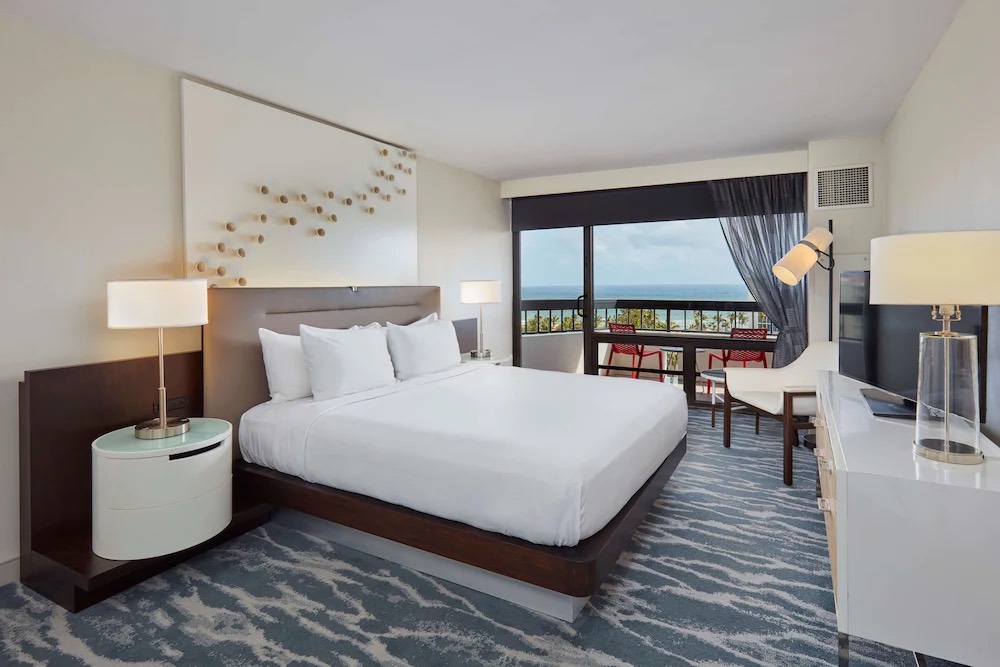
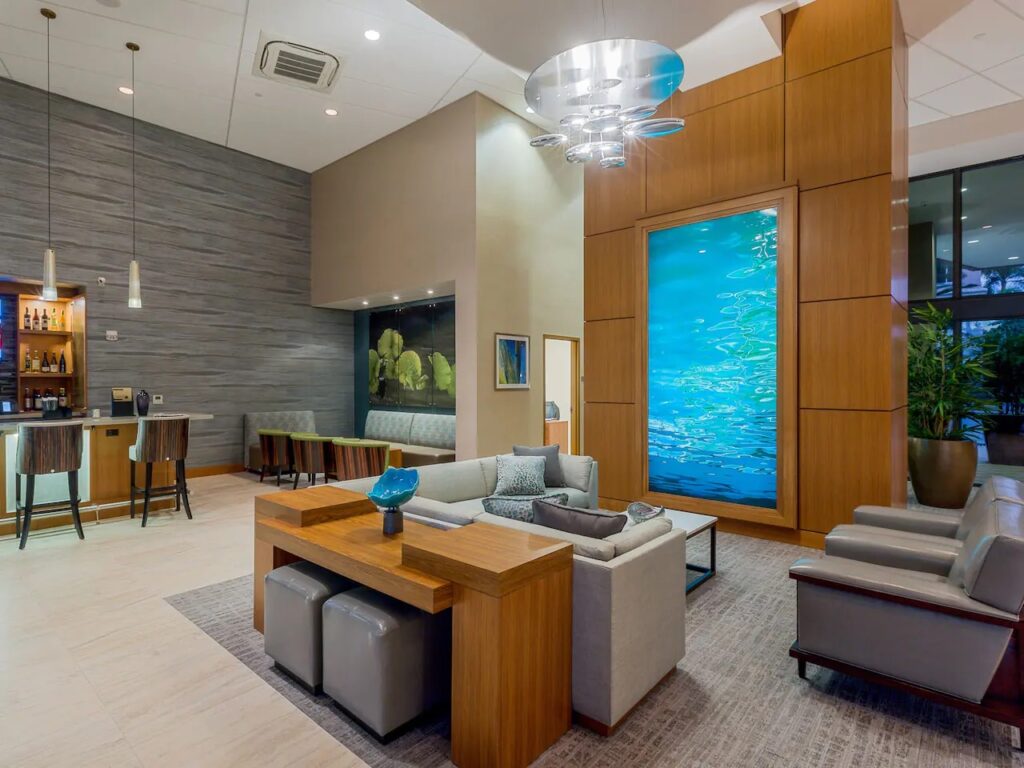
For local patients within 30 miles, with no need for airfare or hotel arrangements, our Travel Coordinators will handle all your transportation needs for an entire week!
Luxury Vehicles
Comfortable travel to and from every appointment.
Pharmacy Convenience
Hassle-free coordination with the pharmacy of your choice.
Recovery Collection ($300 Value)
A curated kit with everything you need, including a water flosser, ice packs, rinses, supplements, and more.
As our esteemed guest, you’ll experience personalized care and attention from the moment your journey begins. We take care of all the details, ensuring a seamless and luxurious experience from start to finish.
Please answer the following questions to determine if you may qualify for financing of the Done In One procedure.


Find out if you qualify for Done In One in less than 2 min.”


