Serving Patients Nationwide: Travel Packages Available | Book Your Consultation
In this episode of Beyond the Arches, Dr. Dan and Dr. Blake Hauer walk listeners through the complete Done In One patient experience, from the first consultation to the final zirconia delivery. The conversation focuses on the human side of treatment—how trust is built during consultations, how patient preferences guide treatment planning, and why personal interaction with the clinical team plays a critical role in long-term success. Rather than treating full-arch procedures as a one-time transaction, the Done In One philosophy emphasizes a long-term relationship with patients that continues well beyond surgery.
The episode also breaks down the step-by-step treatment process, including consultation, surgical day, next-day prototype teeth, design customization, final zirconia fabrication, and follow-up milestones like the 90-day assessment and annual maintenance visits. The doctors explain why their protocol includes multiple prototype adjustments to refine aesthetics, speech, and function before the final restoration. Combined with in-house lab production, travel support for out-of-state patients, and a structured hygiene program, the Done In One approach aims to create both predictable clinical outcomes and a comfortable, personalized patient journey.
How the travel package and concierge-style care improve the patient experience for those traveling from out of state
Hello and welcome to Beyond the Arches. I'm your host, Dr. Daniel Noorthoek, and with us today we have Dr. Blake Hauer. Hello, Dr. Blake Hauer. How are you doing today? Pretty good. We had a good, eventful morning of surgery and patient care, and now we're hanging out and enjoying beautiful, sunny South Florida in November. It is a beautiful day out today. So today we're going to be
Hello and welcome to Beyond the Arches. I'm your host, Dr. Daniel Noorthoek, and with us today we have Dr. Blake Hauer. Hello, Dr. Blake Hauer. How are you doing today? Pretty good. We had a good, eventful morning of surgery and patient care, and now we're hanging out and enjoying beautiful, sunny South Florida in November. It is a beautiful day out today.
So today we're going to be talking about the Done In One patient experience and sort of like the ins and outs and more of like the personal, boutique-sort-of style. We're going to go through, step by step, what happens moments—the human side of it, like what happens through the process—and how we make it a personal experience.
In talking about that, I just did a consult before we came here. Some patients come through and they're very in tune with the process, and some are not. This gentleman happened to be pretty in tune with it and had gone to several consultations. In talking to him, it was fascinating because someone with that experience is going to have more of a "gut check" feel on how an office works and how that connects with the patient. You can kind of get that feeling when you're talking to them in the consultation.
One thing that I've really pushed on and been excited about with making Done In One and seeing it grow is being able to add that human, personal side and that sort of friendship. We try to add that human element because it's just as important as talking about clinical stuff. It's also important as a business to understand that there's another human connected to those decisions.
At the end of the day, there are so many players in the industry, but patients are attracted to different locations mostly because they're comfortable with the team. We have a normal human component. People want to feel like they're obviously getting a good procedure and service done and that they're going to have the right experience, but things that we do solidify that for the patient. I feel like with the travel package, we take an hour block for virtual consults. We offer those consults; we're not pushing treatment right away. We can have multiple consults, so it really puts the patients in a good position.
That connection really is formed on day one. That consult should be formed in the phone call as well. If a colleague ever asks for advice on their full arch practice, generally they have been led a little bit astray by the mainstream in that they believe they should just be doing surgery or busy work, and they let their staff do the consultations. That's tough because how do you know the ins and outs, and how do you make that connection if something goes wrong? How are you going to connect with that patient to make it a better experience?
From my view, I think the number one thing for patients—which they realize—is that at first they ask questions. (I think we're at one month, by the way. I think it's about two actually. Month and a half.) Patients come in and they start to ask about the number of implants or the materials we're using. But then we quickly let them understand that not only are we going to satisfy them with that, but this is a home that they can come back to. They can be managed; they can be cared for; and we can manage any issues, positive or negative, with them. This isn't a situation where you're going to travel somewhere very far and not have someone on your team. We're not a prescriptive surgical center where you're just done. We offer many things to carry the patient through because anyone that has mileage in implants knows that implants are fantastic, but just like a hip or a knee, the body has biology and things can happen.
It's not just the Done In One surgery approach; it's sort of a lifetime experience. That can be hard to explain to patients—that there's a reality where they kind of need to be our friends for life. They need to be in connection with us. Unfortunately, sometimes they think, "Well, I'm not that friendly of a person, and I don't really care about that connection." Well, you should, because it's going to be a lifetime that we're a little bit attached at the hip.
We definitely enjoy it. Just from my couple months in, you never know who you're going to meet. Almost every day in the office, I think there are gifts from patients. Today there was a lunch; the other day there was a bottle of wine. I've heard about a Rolex being given out; I received a bottle of whiskey. Patients are happy, gifts are being given, and it's about a relationship, you know, for everyone to just be on the same team. And we've covered it before, but let's start off a little bit today with going step by step, from the consultation to the delivery. To us, it's a little bit of a broken record because we do these consults where we explain all of that every day. But to a person that's just joining us or hasn't heard it before, we'll walk everything through.
For us in particular, you're going to have a consultation. The consultation generally is going to be a review of an X-ray and a discussion of whether or not it's appropriate, where you've been before, and what your experience was like. A lot of reassuring happens in the consultation. There is a lot of discussion of past experiences; that's something that we deal with quite a bit as a profession. More so, there comes a role where we're discussing prior issues and discussing how cases go—the good, the bad, and the ugly—and really forming that initial connection.
We’re getting to know the patient. Some patients are more driven by function, some are driven by aesthetics, or both. We want to strive for both, but everyone has different interests. We try to understand what someone is looking for; many times, patients bring in an old photo. I think that's one of the best ways for us to know where we're heading.
It's funny because now that we have offices in Tampa, Jacksonville, and Boca—where Boca can vary widely in terms of geographic location—it's pretty wild how, geographically, patient demographics and motivations change. The consultation is almost inherently different in Jacksonville than it is for a Boca case, which is fascinating.
From the consultation, generally, they'll go with a treatment coordinator. That coordinator will be in charge of their scheduling, figuring out their financing, and working out prescriptions. The prescriptions go back and forth between you, myself, a general dentist, and the treatment coordinator—maybe even a medical professional—where we figure out what's going to be the best "cocktail" for taking care of them. Any patient taking medications that may interfere with surgery, such as blood thinners, will require us to communicate with their physician or make a judgment call. This consult has a medical history component so that when you're ready for surgery, we’ve checked the boxes to make sure you have the right medications being used or held for some period of time.
Then we bring it into surgical day. We have the surgical day, which includes additional radiographs and initial pictures just to establish where they began. That's where our job mostly comes in: to do the work, remove teeth, remove bad gum tissue, set the case up for future success, and identify anything that's different than normal. Then we place the implants and get the records of exactly where the implants are, where the gum tissue is, and where we think the teeth need to go.
Once that's done, something I've always enjoyed is that we go talk to the escort. I believe that really helps cut down on post-operative phone calls. Giving instructions to the escort is important because it allows them to have peace of mind and a contact point if they have any issues.
There's nothing wrong with resolidifying the facts we want to share with the patient. Something we commonly share is: make sure you finish your antibiotic. Even if your pain is low at day one or two, we want you on your pain medications for at least three to five days.
To rewind about the process: in most straightforward cases, once you get in the surgical room, we're going to have you sedated, whether on laughing gas, oral medication, or a combination of both. The surgery, whether we're doing one or both arches, is anywhere from an hour to maybe two hours; it doesn't take that long. Obviously, there are cases that can be longer or shorter, but this is not a long process. Once the surgery is done, your subsequent visits for working on your teeth are really no more than 20 or 30 minutes.
It depends on how much the patient wants to get involved with their design. That really is where the human element comes into play. When the patient goes home that evening, what we're going to do is take the digital information that we have and combine that into a record of what we always say is like a rough draft of where we think everything needs to be. That rough draft gets 3D printed, and then we insert it the next day. We can do that as many times as we need. That is where what we've brought in terms of protocol has been really, really fun because it allows that patient to be as deep in it or as peripheral as possible. It really tailors to whatever amount of involvement they want to have.
The beauty of having your full arch on X surgery at a facility that owns its own lab is that during the process of having your prototype—which is the next-day teeth—we're not just doing one prototype and saying, "Ready to go." Are there situations where maybe the first prototype is great? Of course, but you have the flexibility to go to one, two, three, or four prototypes during those first couple of days to really get the tooth size, tooth shape, color, bite, and everything the way you want it. We're not pushing you to just choose something. That really helps our patients so that when we go from the prototype to the final zirconia material, there’s not this big change.
I’d like your feedback on explaining that to patients. It’s hard because you’re fighting a balance between appearing like you’re just shooting in the dark and the person who says they’re going to do it on the first try and they’re exacting. The first iterations we did 10 years ago were very similar to Nuvia, and we delivered 24-hour finals. It’s not that it can’t be done; there’s plenty of technology to get us lined up with everything. The problem is that you kind of cut out that human element we keep talking about. That’s why we’ve protracted and extended the timeline: to get that sort of personal feel and to get everybody’s opinion weighed in. But it’s really hard to explain that in a consult to a person you don't really know, because it can seem like, "Well, these guys do it in five sets and these guys do the same thing in one." I know what the dark side is on the other end of having cases that don't go the way they want them to. In your opinion, how do you think we can better convey that message to a patient? How do you explain why our process works and the idea of multiple rounds of temps without sounding like it’s inferior to the process that claims to do it right away?
My answer is that everything works until it doesn’t. When you’re in the digital world, it’s excellent and you can have all the scans down to the micron, but sometimes something that looks right on the computer just doesn't look right on the face. Sometimes you need one, two, or three different test runs for that. That’s why our protocol is beneficial. Sometimes you look great, but the phonetics are off or the speech is off. There’s nothing wrong with giving patients those extra opportunities. I think that's the contraindication for doing the zirconia at 24 hours: you’re still basically dealing with post-surgical trauma and swelling. You’re not numb the next day, but the effects are just wearing off. Within 12 to 16 hours, you may not make the most educated guess. In addition, having next-day zirconia changes the way the surgery is done; it's a completely different process and probably requires more visits pre-surgically.
It’s tough. It’s a hard thing to explain that the reason you do several versions isn’t to find your way, but to help guide the patient along their path. It’s to help explore what is available and get them into a set of teeth that is genuinely custom to them.
It doesn't mean other protocols don't work. There are protocols where you have one prototype, wear it for three months, and then go into a final. There are protocols that say you get a zirconia the next day and that’s it. There are different ways to maximize a final result, but we believe having multiple rounds of a prototype gets you the aesthetics and function you want. Then, having a zirconia, highly polished restoration within seven days gives you the best soft tissue healing and is stable for your implants. Having our own lab allows us to do that. You can't go to an office that does two arches a year and have zirconia delivered in a week; it’s not going to happen.
Maybe the way to use an example would be that the 24-hour process can be a little bit more like fast food. While you can still make a few tweaks and changes, it’s inherently the same meal.
If you will, it’s like Chipotle where you can really customize it. Chipotle is still a bit of an assembly line, but I like this example because at Chipotle, or any nicer "fine food" fast-casual spot, you’re getting a repetitive process that is very predictable. The quality is consistent and predictable, but there is a lot of variability you can introduce in a shortened timeframe. If you tried to make it yourself—the old way—it might come out fine, but it wouldn't have that "restaurant pizzazz" or be as easily interchangeable.
So, you’re saying you align more with the Chipotles and Fresh Kitchens of the world, rather than the Arby’s or McDonald's?
Exactly. Burger King says "have it your way," but how many different ways is that, really? You have to have an element of consistency combined with high-quality customization.
Speaking of consistency, I think patients would be shocked to see how repetitive the fundamentals of this procedure are. It’s easy to overcomplicate it, especially the way full arches used to be taught, but a consistent surgical workflow leads to more consistent results. It isn’t a free-for-all where we just figure it out when the patient walks in. We use a similar display and spread of implants for every case, which allows us to control the prosthetic factors.
Part of our goal is to build something personal, not just transactional. We avoid the "see them, do the teeth, move on" model. We want those contact points and interactions so patients feel heard and know the result is meant for them.
In terms of the process, once we settle on a design, that file goes to the zirconia milling machine. This produces the zirconia in a raw state, which then goes through finishing steps, including a sintering oven and the addition of gum tissue. Because the digital file remains the same, the zirconia is a very accurate representation of the 3D-printed prototype the patient already approved. When we reach the final delivery, there isn't any tension or angst for the patient or the staff. We know it’s going to fit and feel right. In the old way, deliveries were often high-tension situations because we were handcuffed by the process.
It’s also important to note that when those teeth come in for delivery, you have the input of a periodontist, a restorative dentist, a lab technician, a designer, and a lab manager. Everyone comes together. We aren’t just sending this off to be printed; there is a lot of care and attention going into the case.
The efficiency of the system is what allows for that extra care. Because the restorative dentist, the designer, and the lab manager all speak the same "language" in terms of instructions and standards, they are all on the same page. They are more efficient, which allows them to spend more time being excellent at their specific roles.
If you chip a tooth or need something fixed, it gets done very fast because everyone is working together. I used to intimately know everyone at the lab because I had to physically go there to ensure everything was appropriately communicated. That is just not efficient, and it doesn't lead to the best results. It makes the process less of a studio and more of an inefficient factory. I wasn't around for a lot of the sweat equity before photogrammetry and scanning, but I can imagine life was a lot harder.
It was just very different. Quality was much more reliant on the art and the specific person you had doing the case. The result was way more practitioner-dependent. Now, I would tell you that it is more dependent on the beliefs and the tools. The team is still important—they are the ones who pull it off—and the way they communicate with the patient is vital. But equally important is the way you gather information and customize the treatment for every patient. I always tell patients in a consult that the old way of doing things put a lot of blockades and tension in our relationship. It isn't that we have to be your best friend, but I definitely don't want to be your enemy. That tension got in the way of good results. The whole intention of this protocol was to eliminate that. It wasn't to see a patient for only an hour or only for 24 hours; it was to get better results, believe in the product we're selling, and gain that relationship and trust over time.
That segues into what we are doing differently. What are the key points that make Done In One unique for the patient experience and the final product?
I think the number one thing is a reduction in the interaction time between the dentist's office and the patient. We know that full-arch patients generally don't have a good track record or experience with dentists. They don't want to spend six to eight hours in a dental office at once; only weirdos like to spend that much time in a dental chair. Reducing that time ensures their interaction is pleasant. It's not about seeing them as little as possible to ignore them; it’s about seeing them as little as possible so we don't inflame a trauma response. We aren't trying to put anybody in a dark place. So, number one is reducing time to increase the positivity of the interaction while still giving them the "keys to the car" to fully customize their smile. I would say that's the number one definer.
I think that really stands out. Another thing that comes to mind is our hygiene program. A lot of people do full-arch cases and utilize a lab to deliver a quality restoration, but then the patient is left up in the air. There is no plan for how often the teeth are removed or how they are cleaned. Often, there is no one in the office educated or available to instruct the patient on proper hygiene. A big positive here is that our patients aren't left to just figure it out.
I agree. It is a huge benefit and a major issue in the industry. We see it every week—not necessarily patients who were abandoned in a malicious way, but they were abandoned through a lack of education and understanding of how to take care of the restoration. I visited a friend in California last weekend who has done several hybrids, and when I asked about his cleaning protocol—and this isn't a knock against him—it was just very up in the air. He cleans them sometimes in association with their natural teeth. If you talk to most general dentists, you would find that many don't have established protocols because it is very difficult to find that sort of standardization across all of the industry. I think the problem is there is one group of dentists who are afraid to remove the teeth because they don't want to uncover problems they can't fix, and on the other end, you want to remove the teeth because the reality is the underside—we call it the intaglio—of a full arch is just hard to clean in any hand. So, about once a year, it's nice to have a boost to just have it clean outside the mouth. But I think, with the best of both worlds, it's appropriate to diagnose the implants properly. You can't see everything off an X-ray. You also can access all the prosthetic equipment and make sure it's functional, and you can then assess the soft tissues. I know we had an episode where we talked about why we do what we do as far as hygiene, but that pretty much summarizes it. It is a definer. We want to just see what's going on, and we don't want to leave our patients to just figure it out. If we can catch a problem before it becomes a real problem or a big problem, then we can actually help our patients not have loss of implants or anything else, which then ties us into number three, which I think is that we do offer a warranty, which is kind of unheard of in the industry. Are there people doing that, Dan? Do you know?
The general thing in the industry is that they will claim a big warranty, and then there are very verbose claims on what they offer, but when you read the fine print, they're going to nitty-gritty you down to death in terms of eliminating that warranty. Like, you can't ever be seen by anybody else. Or you have to come in every three months—which is bad for the implants, but you have to come in every three months—something that's completely out of the bounds of reality. And so they sort of fine-print them to death. Does ours have fine print and legalese in it? Yeah, of course; that's just the reality of the world. But we tried to create a program that was very open to being in the patient's benefit.
No doubt. I think the bottom line is that if our patients take care of their teeth and implants like we recommend, then we'll take care of them if they have an unforeseen problem.
Yes. We are trying to reward the population that already did something for themselves and is going to continue to do something for themselves. There's going to be a subset of that population that always shoots themselves in the foot, and that's why there is fine print, because we can't just let a patient completely go without any responsibility or trying to do good.
Something I think we forgot to say: we were talking about the timeline and we kind of stopped the timeline at getting the final teeth in a week, and then we jumped all the way to once-a-year cleaning. In between, we're going to have a 90-day assessment where we make sure that everything is healthy and functional. From getting the zirconia teeth at one week to the 90-day assessment, our patients are going to be on a soft diet, meaning that anything you eat is probably going to be able to be mashed on your palate or cut with a plastic fork or knife. So, that's another key milestone in the treatment sequence, which then leads us to the once-a-year maintenance. Does that pretty much sound right?
Yeah, absolutely.
And so, in terms of things that we do differently, obviously, what we said was there is a big personal experience aspect with the time involved and giving them a good experience with the dentist—not inflaming trauma. There's the warranty. We didn't mention the fact that we are a seven-day process, so it is quicker than traditional norms. The reason why we believe in that is the healing is a lot better when it's a well-made, perfectly lab-fabricated prosthesis resistant to bacteria collecting during healing and helping splint and help with those implants as they're healing. All of those factors go into why we do it for seven days. But I would say seven days is sort of an aspect of our experience that's unique.
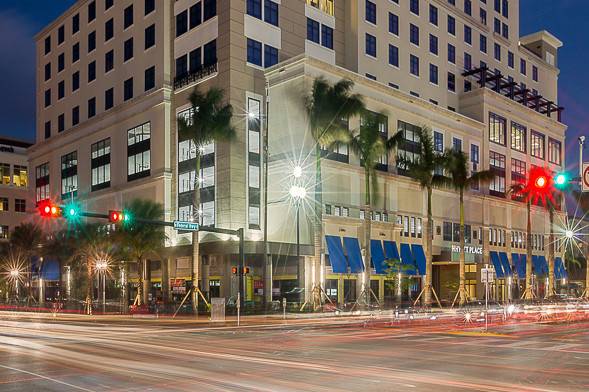
And then, of course, the major obvious one for Boca is the travel package. We see 80% to 90%, something like that, from out of state. And those patients—what ended up being sort of a happenstance from seven or eight years ago—has now led to being sort of our main breadwinner of sorts. In my opinion, not only is it unique to the industry, it's something that's really pretty fun and pretty special. Patients can come into town with peace of mind that they're going to get picked up, that they know where to go, and that they aren't going to have to worry about extra things on top of the results of their surgery. From our side, we know that they're going to show up and we know where they're going to be for their healing. So, it kind of is a two-way street. And it's really pretty fun to see people from all over the states.
Yeah. I don't know if you had Daniel on the podcast, but he is a key employee that works at the company. Basically, he runs a lot of the travel package. So, meaning that if you're someone that comes from out of state, you'll have someone that's going to pick you up from the airport, bring you to the hotel, bring you to your appointments, and make sure you're taken care of, even if you have family with you. So, that's a huge plus that we have that. I think someone
actually in a consult this week said that one of their problems is they need someone to watch their puppy. Maybe he'll even watch your puppy. I don't know. We could work that in. He does quite a bit. I can remember one specifically: my brother was helping with moving patients around. He happened to be in town and so he was helping with transporting patients, and the guy had brought an Xbox, but the hotel did not allow for external HDMI cords to get plugged in. And so my brother went to the lab, grabbed an extra monitor that we had, and brought it back to the patient so that he could play his Xbox while he was healing. Those are the little one-offs. There's been a lot of different scenarios like that. I know that Daniel has brought a decent amount of gauze to different patients and is generally there to really kind of help them out. He's always been one to pretty much go above and beyond for the patient experience. So, we haven't had him on the podcast yet, mostly because he's been shying away from it. But we'll nail him out soon. I think what I'm trying to add here is that having another person involved in the whole process sort of after hours, in between appointments, is key because not every travel package is the same. And if there's something that you need while you're here, we probably can make it happen.
And that all came from when I had some shoulder surgery. And I know I've mentioned it before, but I had some shoulder surgery before, and the shoulder I was getting worked on. I went to a clinic in Colorado. And when I went there, they said, "Well, we have lots of people come from out of state. You know, you'll be fine. We'll help you get set up." And I said, "Great. I would love to go ahead and let's do some sort of travel package or tell me what you have offering." And they gave me a sheet that was literally just a blank sheet with that had been printed out of all the area hotels. And so that didn't really help me. And it was part of the aspect of getting the surgery that was sort of additionally stressful. And so we've tried to eliminate any of that stress, and we've tried to eliminate any of that extra work that may be involved. This is a big decision, and so the last thing that we want is for a patient to be stressed about what rental car company that they ended up working with or whatnot. And again, when it comes to the Done In One experience, when it comes to the patient experience, the number one goal for anybody that we hire, for any process that we instill, for any machinery, equipment, any added package, is to connect human to human—make sure that that person is valued and gets a good deal, but is also getting the best quality results that they can so that they can have some teeth and some functioning good looks for life.
I think you said it pretty clear. I mean, I think this whole operation is set up to help people. We want to have relationships with our patients and guide them through this journey. And I don't know anyone else in the industry that really has this quality of an experience at the price point that we do. It's fair. It's realistic. And I would recommend it to anyone. I hope that there isn't anybody else because if there is, I'd like to know about them and know what we need to add, because we would add it if we could. But things are good in the office and it's an exciting time with the holidays and everything coming up, and hopefully we'll be able to transform some smiles just in time for the good times ahead.
The last thing I'll say before we wrap it up is that the whole thing—obviously you've spent years studying teeth and how to do the surgery. I've done the surgery for years, also studied for forever. We care about that side of the results, but at the end of the day, it's not about the teeth and it's not about how the surgery is going to go and it's not about how I feel doing surgery or the ego side of wearing a white coat and pitching it to a patient and how much I get out of them. It's about treating the people. So, it's less about the teeth and it's more about the people. And I hope anyone that's been our patient or will be our patient in the future feels that that's genuinely the number one focus—is that they're seen and looked at and felt made to be human on a connection level.
At the end of the day, there's so many things that take place before the patient is in our chair. But once you're in the chair, whether it's a surgery or it's for the teeth try-ins, you're the most important person in the whole entire team's life at that moment, and that's what we're dedicated to do. That's our job. We're going to do it as well as we can, and that's our focus. And when that's the case, it's fun. It's a very fun process and a very fun atmosphere to work in. So, with that, we appreciate you guys paying attention and logging in and joining us for this. Like and subscribe, and we'll see you next time. Happy holidays to all coming up and hopefully we'll be on soon. Absolutely. Thanks, Dan. Thanks, Blake.
Follow Beyond The Arches on your favorite podcast platform
Done In One Implant Centers are independently owned and operated within a network of dental practices managed by licensed dentists. The American Dental Association does not recognize any specialty field specifically for dental implant treatment. Done In One providers are proficient in both implant placement and restorative dentistry and may consist of general dentists, prosthodontists, oral surgeons, and periodontists. The Done In One procedure refers to a procedure consisting of extractions (if needed), bone reduction, implant placement, and a permanent (zirconia) implant-supported prosthesis placed on either arch (upper or lower) or both. Done In One specializes in the immediate occlusal-loading protocol, which is defined as an implant-supported restoration in occlusal contact within two (2) weeks of the implant insertion. The Done In One procedure can be offered to qualified patients based on a full examination, radiographs, and initial workup. Not all patients will qualify. In most cases, qualified patients that do not need additional sinus augmentation can have the Done In One procedure completed and typically receive a final zirconia prosthesis within one week after extractions. Patients will receive a provisional prosthesis within 24 hours after surgery that will allow them functionality until their final zirconia prosthesis is fabricated. Results and timeframes of the delivery of a final prosthesis will vary on a case-by-case basis. Done In One exclusively utilizes an implant system that is appropriately registered, listed, and has a 510(k) clearance from the FDA. After many years of clinical studies and evaluations, the success rate of modern dental implants installed by qualified clinicians has been estimated at over 90% after 10 years. With proper hygiene and routine maintenance, the Done In One procedure can provide patients with dental implants that can last decades and potentially a lifetime. The average lifespan of the prostheses will vary depending on patient wear but is covered under a standard warranty for the first two (2) years from the date of surgery, as long as annual recare requirements are met. An optional extended, indefinite warranty is available and can be paid monthly or annually.
Studies show that patients treated with implant-supported prostheses judge their overall psychological health as improved by 80%—due to increased longevity, improved function, and increased bone preservation—over the wearing of traditional dentures. Studies also conclude that the replacement of decaying teeth that are prone to infection with an implant-supported prosthesis will typically result in the improvement of a patient’s overall physical health. Results may vary.
Loans are subject to eligibility, underwriting, and approval, including credit approval. Eligibility is determined through a pre-qualify application (“soft pull”) with no impact to the applicant’s credit score; not all individuals will qualify. Only upon accepting an offer and agreeing to the credit authorization disclosure will a hard inquiry (“hard pull”) be initiated and a FICO score potentially be affected.
Loan amounts vary between $750 and $40,000, depending on creditworthiness, and require no down payment. The offered APR will vary between 3.99% and 35.99% based upon creditworthiness, loan amounts, and term length. Approved borrowers can choose between a longer Installment Loan (12-144 months) or a shorter Interest Promotion (6-12 months), with no interest paid if the loan is settled within the promotional window chosen.
DIO Managment Group, LLC, is a registered seller of travel as required by Chapter 559, Florida Statutes. Ref. No. ST45536
For more information about financing or travel options, contact a Done In One representative.
Privacy Policy
See full Privacy Policy page
Effective Date: 01/01/2024
Last Updated: 10/01/2024
Introduction
Welcome to Done In One (“we,” “us,” “our”). We are committed to protecting your privacy and ensuring that your personal information is handled in a safe and responsible manner. This Privacy Policy outlines how we collect, use, and protect your information when you visit our website, www.getdoneinone.com, or use our services.
We may collect and process the following types of personal information:
Personal Identification Information: Name, address, email address, phone number, and other contact details.
Medical Information: Details related to your dental history, current dental condition, and treatment preferences.
Financial Information: Payment details, including credit card information or other payment methods, when you pay for our services.
Technical Information: IP address, browser type, and information about your visit to our website, such as the pages viewed and the time spent on each page.
The information we collect is used for the following purposes:
Service Delivery: To provide, manage, and improve our dental services, including scheduling appointments, conducting examinations, and performing dental procedures.
Patient Care: To tailor our services to your specific dental needs and ensure the best possible outcomes.
Payment Processing: To process payments for our services, including billing and collections.
Marketing and Communication: To communicate with you about our services, including reminders for upcoming appointments, promotional offers, and newsletters.
Legal Compliance: To comply with applicable laws and regulations, including maintaining patient records as required by law.
We may share your information in the following circumstances:
Within Our Network: Done In One Implant Centers are independently owned and operated within a network of dental practices managed by licensed dentists. We may share your information with other providers within our network to ensure you receive consistent care.
With Service Providers: We may disclose your information to third-party service providers who assist us in delivering our services, such as payment processors and IT service providers. These service providers are required to protect your information and only use it for the purposes for which it was provided.
Legal Requirements: We may disclose your information if required by law or in response to legal processes, such as court orders or subpoenas.
We will not share your opt-in to an SMS campaign with any third party for purposes unrelated to providing you with the services of that campaign. We may share your Personal Data, including your SMS opt-in or consent status, with third parties that help us provide our messaging services, including but not limited to platform providers, phone companies, and any other vendors who assist us in the delivery of text messages. All of the above categories exclude text messaging originator opt-in data and consent; this information will not be shared with any third parties.
We use cookies and similar tracking technologies to enhance your experience on our website. Cookies are small data files that are placed on your device when you visit our website. These cookies help us understand how you use our website and improve your user experience. You can choose to disable cookies through your browser settings, but this may affect the functionality of our website.
We take the security of your personal information seriously and implement appropriate technical and organizational measures to protect it against unauthorized access, disclosure, alteration, or destruction.
You have the following rights regarding your personal information:
Access: You can request a copy of the personal information we hold about you.
Correction: You can request that we correct any inaccurate or incomplete information.
Deletion: You can request that we delete your personal information, subject to certain legal restrictions.
Objection: You can object to the processing of your personal information in certain circumstances.
Data Portability: You can request that we transfer your personal information to another service provider.
Loans for dental procedures are subject to eligibility, underwriting, and approval, including credit approval. Eligibility is determined through a pre-qualification application (“soft pull”) with no impact on your credit score; not all individuals will qualify. Upon accepting an offer and agreeing to the credit authorization disclosure, a hard inquiry (“hard pull”) will be initiated, which may affect your FICO score.
We may update this Privacy Policy from time to time. When we do, we will post the updated policy on our website and update the “Effective Date” at the top of this page. We encourage you to review this policy periodically to stay informed about how we are protecting your information.
If you have any questions about this Privacy Policy or our privacy practices, please contact us at:
Email: smile@getdoneinone.com
Phone: 561-468-8812
Address: 6401 Congress Avenue, Suite 150, Boca Raton, FL 33487
For local patients within 30 miles, with no need for airfare or hotel arrangements, our Travel Coordinators will handle all your transportation needs for an entire week!
Luxury Vehicles
Comfortable travel to and from every appointment.
Pharmacy Convenience
Hassle-free coordination with the pharmacy of your choice.
Recovery Collection ($300 Value)
A curated kit with everything you need, including a water flosser, ice packs, rinses, supplements, and more.
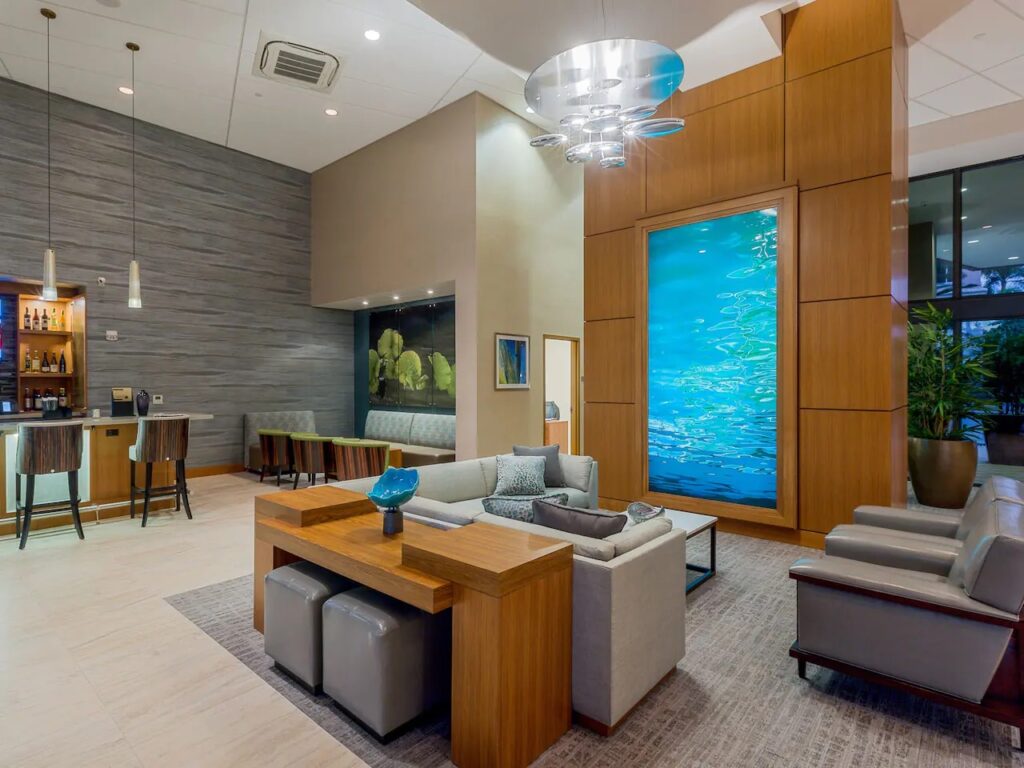
As our esteemed guest, you’ll experience personalized care and attention from the moment your journey begins. We take care of all the details, ensuring a seamless and luxurious experience from start to finish.
Please answer the following questions to determine if you may qualify for financing of the Done In One procedure.


Find out if you qualify for Done In One in less than 2 min.”


